Ever stepped into a Corona kitchen and felt the heat hit you like a brick wall? That’s a sign your ventilation is crying for help.
The desert‑kissed climate here loves to trap stale air, and a weak system can turn a simple dinner into a sauna session. A properly installed vent does more than move air - it protects your appliances, your health, and your sanity.
What if you could cut the sweat, keep the odors at bay, and avoid costly repairs before they even start? Grab a coffee, follow the steps ahead, and you’ll walk away with a system that works as hard as you do.
Understanding Corona’s Climate and Its Impact on Ventilation Needs
Corona basks in a desert‑kissed climate that can feel like a furnace in July and a gentle breeze in December. Temperatures regularly climb above 100°F, while humidity stays stubbornly low, making hot air stick to walls and ceilings. When the Santa Ana winds roll in, they can push stale indoor air right back into your living space, turning a kitchen into a sauna.
Key Climate Drivers
- Scorching summer highs – demand high CFM (cubic feet per minute) to flush heat quickly.
- Low humidity – can dry out woodwork and cause static, but also means moisture‑laden air from cooking stays longer.
- Seasonal wind patterns – push outdoor pollutants inside, so filtration matters.
Because of these quirks, a one‑size‑fits‑all vent won’t cut it. You need a system that moves air fast enough to chase the heat, yet gentle enough to keep moisture in check. Choosing the right airflow rate prevents your AC from overworking and saves you money on electric bills.
Beyond comfort, proper ventilation protects your appliances. A kitchen exhaust that clears out grease and steam extends the life of your range hood, prevents fire hazards, and keeps indoor air quality safe for the whole family. In Corona, that extra layer of defense is worth its weight in gold.
Assessing Your Home’s Existing Ventilation: Inspection Checklist
Start with a Visual Walk‑Through
Grab a flashlight and give every vent a once‑over. Look for dust piles, rust spots, or any broken louvers that could choke airflow.
Make a quick note of anything that looks out of place – a vent that’s painted over or a grille that’s missing screws.
- Check kitchen exhaust hood for grease buildup.
- Inspect bathroom fans for moisture stains.
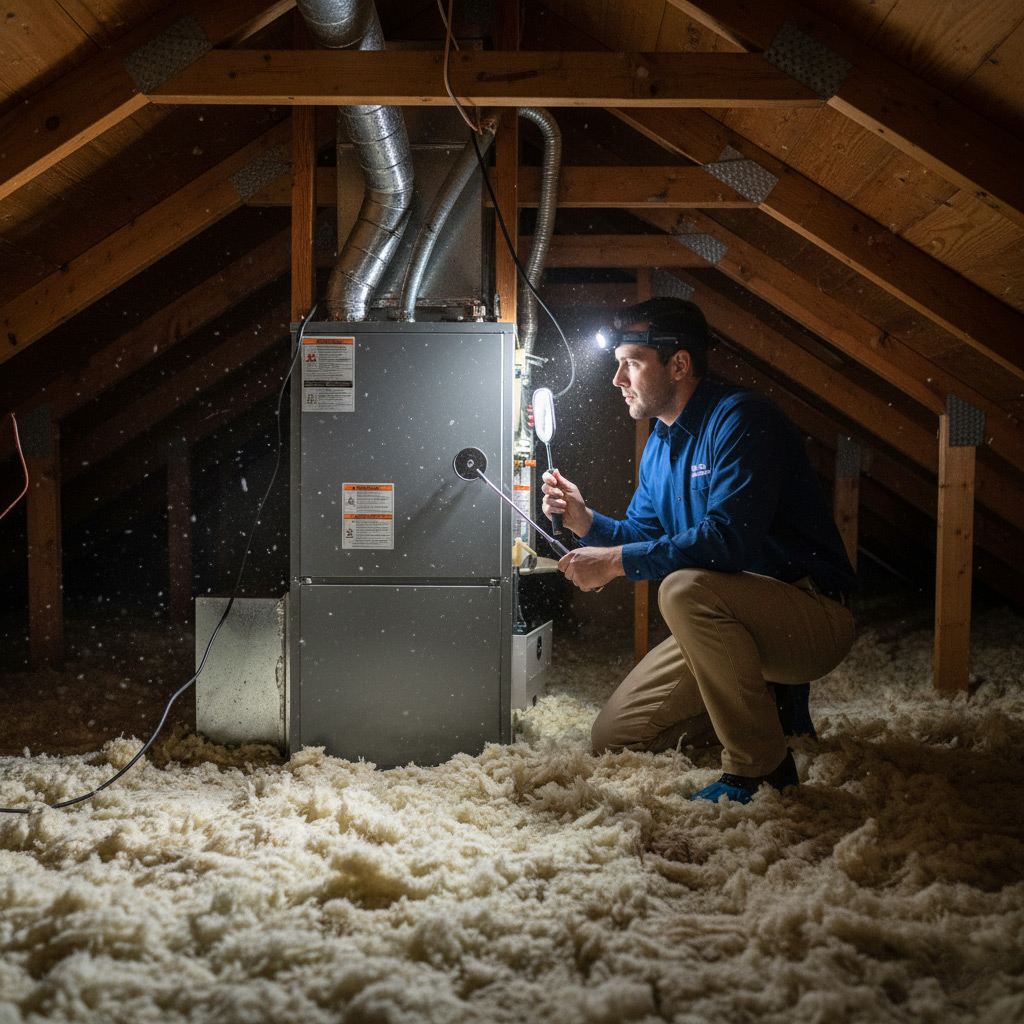
- Verify that attic vents aren’t blocked by insulation.
Check Airflow & Pressure
Turn on each fan and feel the breeze. If it’s weak, you’ve got a restriction somewhere.
Use a simple piece of tissue to see if air is actually moving; it should flutter, not sit still.
- Measure static pressure with a handheld gauge if you have one.
- Listen for rattling or whistling noises – signs of loose ducts.
- Note any rooms that feel stuffy even with fans on.
Record Findings & Plan Next Steps
Write down every observation in a notebook or phone app. Details matter when you call a pro.
Take photos of problem areas; they’re gold when you discuss options with an installer.
- Mark vents that need cleaning or replacement.
- Identify ducts that may need sealing.
- List any code‑related concerns you spot.
Choosing the Right Ventilation System for Corona Residences
In a town where the sun never takes a day off, you need a vent that works as hard as the heat works against you. Picking the wrong unit is like buying a cheap fan for a desert storm – you’ll be left sweating and paying for repairs later.
Types of Systems You’ll Encounter
- Range Hoods – Ideal for kitchens that double as BBQ pits.
- Exhaust Fans – Perfect for bathrooms and laundry rooms that love to trap moisture.
- Whole‑House Mechanical Ventilation – The big guns for homes that want constant fresh air without opening windows.
- Energy‑Recovery Ventilators (ERVs) – Smart choice when you want to keep the cool in and the heat out.
Key Decision Factors
- CFM Rating – Match the cubic feet per minute to the size of the room; too low and you’ll still feel the heat.
- Noise Level – Look for decibel ratings under 60 dB if you value a quiet kitchen.
- Energy Star Certification – Saves you money on the electric bill and pleases the utility company.
- Installation Space – Measure your ductwork clearance before you order; a tight fit means extra labor.
Step‑by‑Step Installation Process: Planning, Ductwork, and Final Testing
Planning Your Layout
Start by sketching a rough floor plan. Mark where the kitchen range, dishwasher, and any other moisture‑generating appliances sit. Location matters—the vent should be as short and straight as possible to keep static pressure low.
Ductwork Installation
Once the layout is set, it’s time to run the ducts. Keep runs under 25 feet whenever you can; longer runs need larger diameter pipe to maintain airflow.
- Use rigid metal duct for durability and less noise.
- Seal every joint with UL‑rated foil tape—no silicone, no shortcuts.
- Install a backdraft damper near the exterior vent to stop hot desert air from sneaking back in.
Final Testing & Balancing
After the hardware is in place, fire up the range hood and measure the CFM at the grill. You should see at least 100 CFM per square foot of cooking surface.
- Check for rattles; tighten any loose brackets.
- Verify the exterior cap is clear of debris.
- Run a smoke test—watch the smoke travel; it should exit cleanly without backflow.
Navigating Local Building Codes, Permits, and Energy Efficiency Standards
Corona’s municipal code isn’t a suggestion – it’s the law. Before you cut any duct, check the City of Corona Building Department website for the latest ventilation requirements. Missing a single clause can halt your project and cost you extra dollars.
Permit Process Made Simple
First, file an application online or at City Hall. Bring these items:
- Site plan showing vent locations
- Equipment specs sheet
- Proof of contractor’s license
Once approved, you’ll receive a permit sticker. Hang it where the inspector can see it – usually on the vent housing.
Energy Efficiency Standards You Can’t Ignore
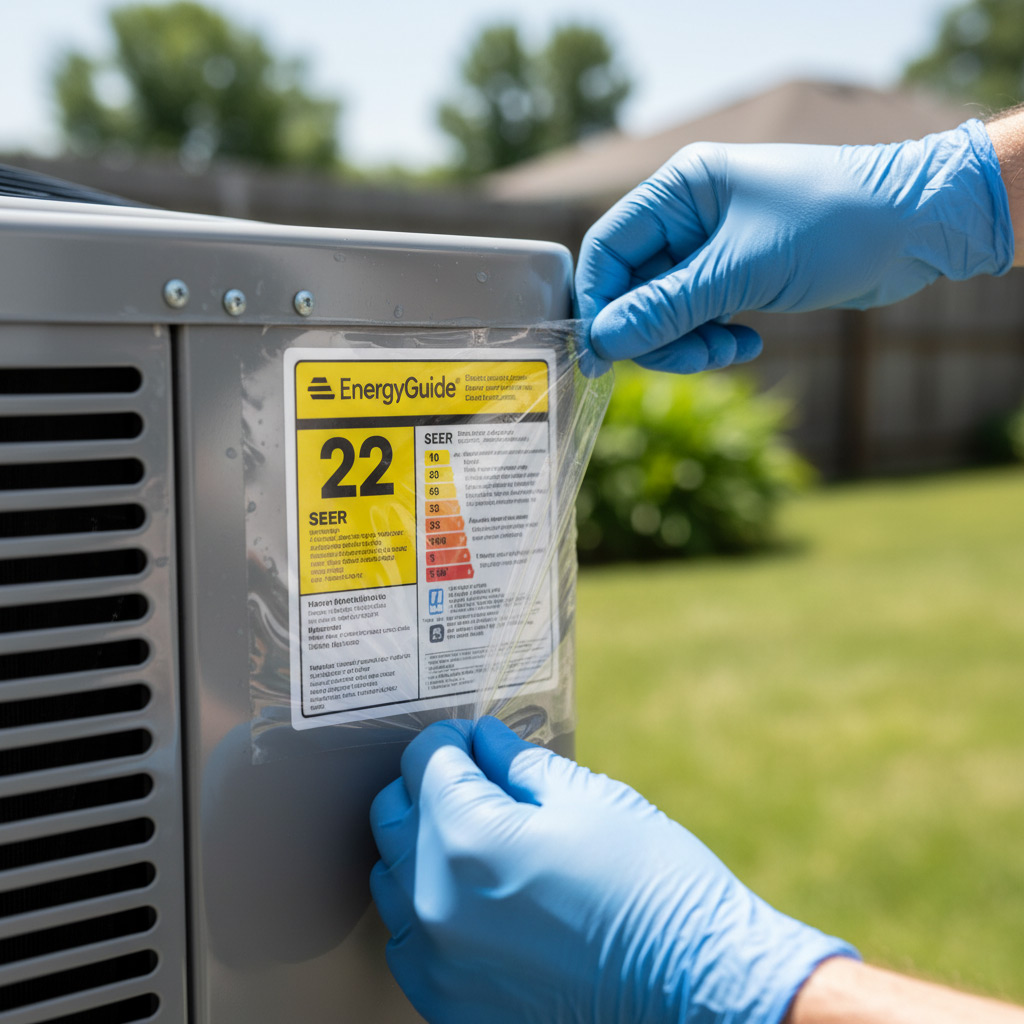
California’s Title 24 pushes for low‑energy units. Look for a SEER rating of 14 or higher and a CFM rating that matches your square footage. Installing a high‑performance system not only keeps the AC from overworking, it can shave off a few bucks on your utility bill each month.
Case Study: Revamping a Corona Kitchen with a High‑Performance Ventilation Upgrade
The Problem
When the Martinez family opened their kitchen for the first time, the air felt like a furnace. Stale odors clung to the walls, and the range hood barely moved a whisper of smoke.
Our inspection checklist revealed three red flags:
- Undersized ductwork – only 4‑inch pipe feeding a 900 cfm hood.
- Improper vent termination – the exhaust was pushing into the attic.
- Worn motor – the fan was grinding after just a few months.
The Solution
We swapped the old system for a high‑efficiency, 1200 cfm centrifugal blower paired with a 6‑inch insulated duct. The new vent terminates on the roof, keeping heat out of the living space.
Key upgrades included:
- Variable‑speed controller for precise airflow.
- Stainless‑steel backdraft damper to stop reverse flow.
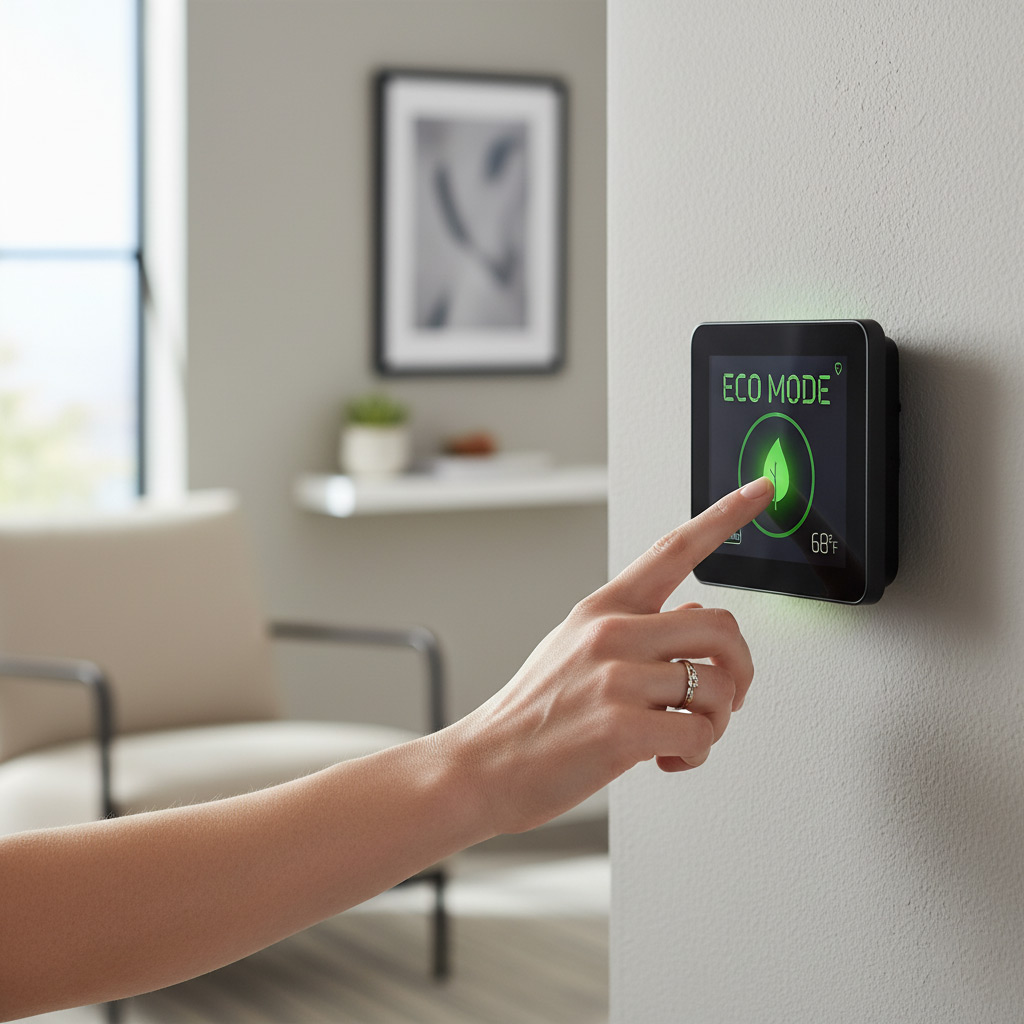
- Smart thermostat integration for automatic on/off cycles.
Results
Within a week, the Martinez kitchen felt like a breezy patio. Cooking smells vanished in seconds, and the electric bill dropped by 12% thanks to the smarter motor.
Homeowner feedback was simple: “It’s like the kitchen finally got a breath of fresh air.” That’s the kind of win we love to deliver in Corona.
Final Words
Now that you’ve walked through the whole process, the real work begins: treating your new ventilation system like a prized asset. Regular checks keep the airflow crisp and the energy bill honest.
Keep It Running Smooth
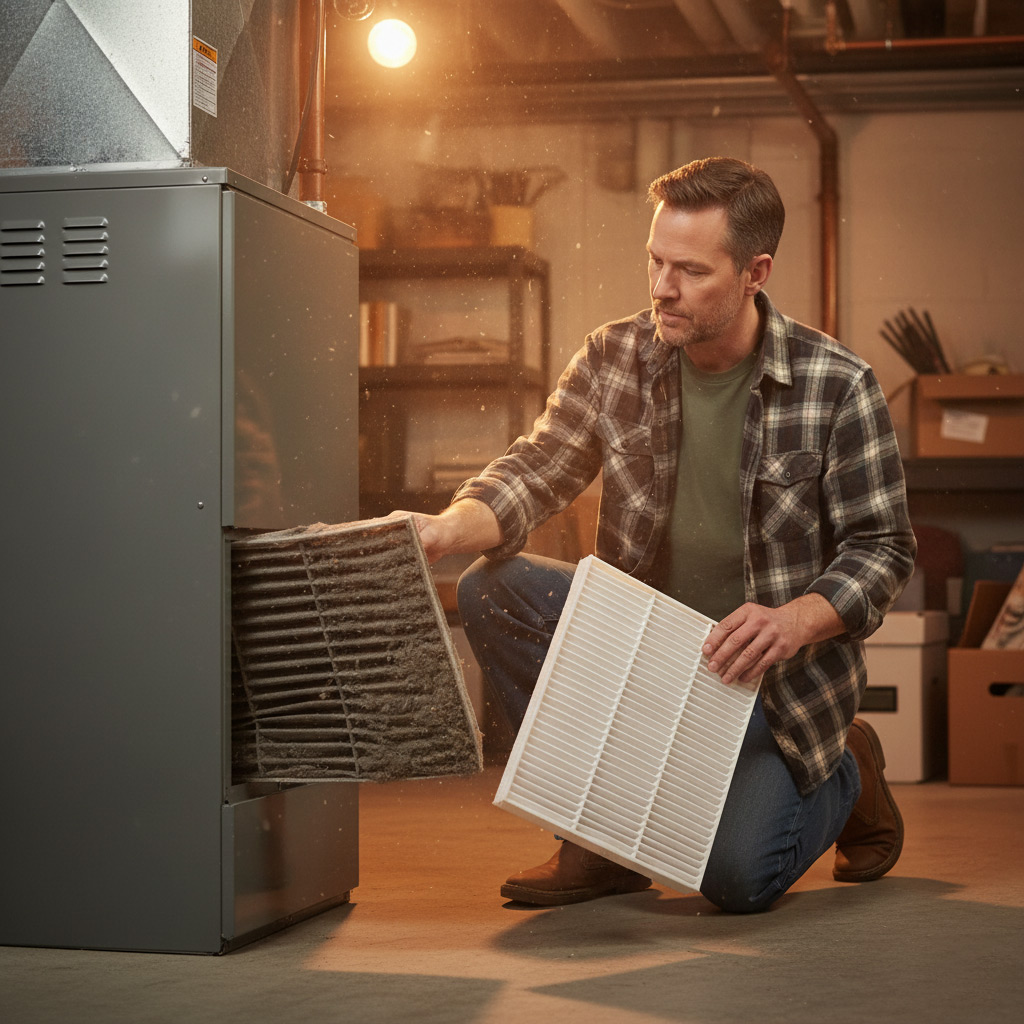
- Swap filters every 1‑3 months, depending on usage.
- Listen for rattles or whines; they’re early warnings.
- Schedule a professional tune‑up at least once a year.
These tiny habits prevent the dreaded “heat‑wall” scenario and extend the life of your equipment. A little attention now saves you from a costly overhaul later.
Next Steps
If you’re ready to lock in comfort, reach out to a local pro who knows Corona’s quirks. A quick call can lock down a permit, verify code compliance, and get the job done without a hitch.
Need more guidance? Dive deeper into our Ventilation System Installation resources for tips, FAQs, and trusted contractor listings.
People Also Ask
What type of ventilation system is best for Corona’s hot, dry climate?
A whole‑house energy‑recovery ventilator (ERV) or a high‑efficiency exhaust fan works well, as they provide fresh air while minimizing heat loss. These systems balance indoor comfort with lower energy bills in Corona’s climate.Do I need a permit to install a new ventilation system in Corona, CA?
Yes, most ventilation installations require a building permit from the City of Corona. Obtaining the permit ensures compliance with local codes and safety standards.How often should I inspect my home’s ventilation system?
Schedule a professional inspection at least once a year, and check filters and ducts quarterly. Regular maintenance keeps airflow optimal and prevents costly repairs.Can I install a ventilation system myself, or should I hire a professional?
While DIY installation is possible for simple exhaust fans, most residential systems involve ductwork and code compliance, so hiring a licensed HVAC contractor is recommended. Professional installers ensure proper sizing, sealing, and testing.What energy‑efficiency ratings should I look for when choosing a ventilation unit?
Look for units with a high Seasonal Energy Efficiency Ratio (SEER) and ENERGY STAR certification. These ratings indicate lower operating costs and better performance in Corona’s climate.
Corona HVAC brings over 15 years of residential and commercial climate control expertise to the Corona community. Their certified technicians specialize in efficient heating, cooling, and indoor air quality solutions tailored to local needs. Committed to responsive service, they keep homes and businesses comfortable year‑round.
Need HVAC?
We provide fast HVAC repair and installation in Corona, CA and nearby ZIPs (92879, 92880, 92882, 92501, 92503). Our focus is on restoring comfortable indoor temperatures quickly and reliably.
Get HVAC Quote