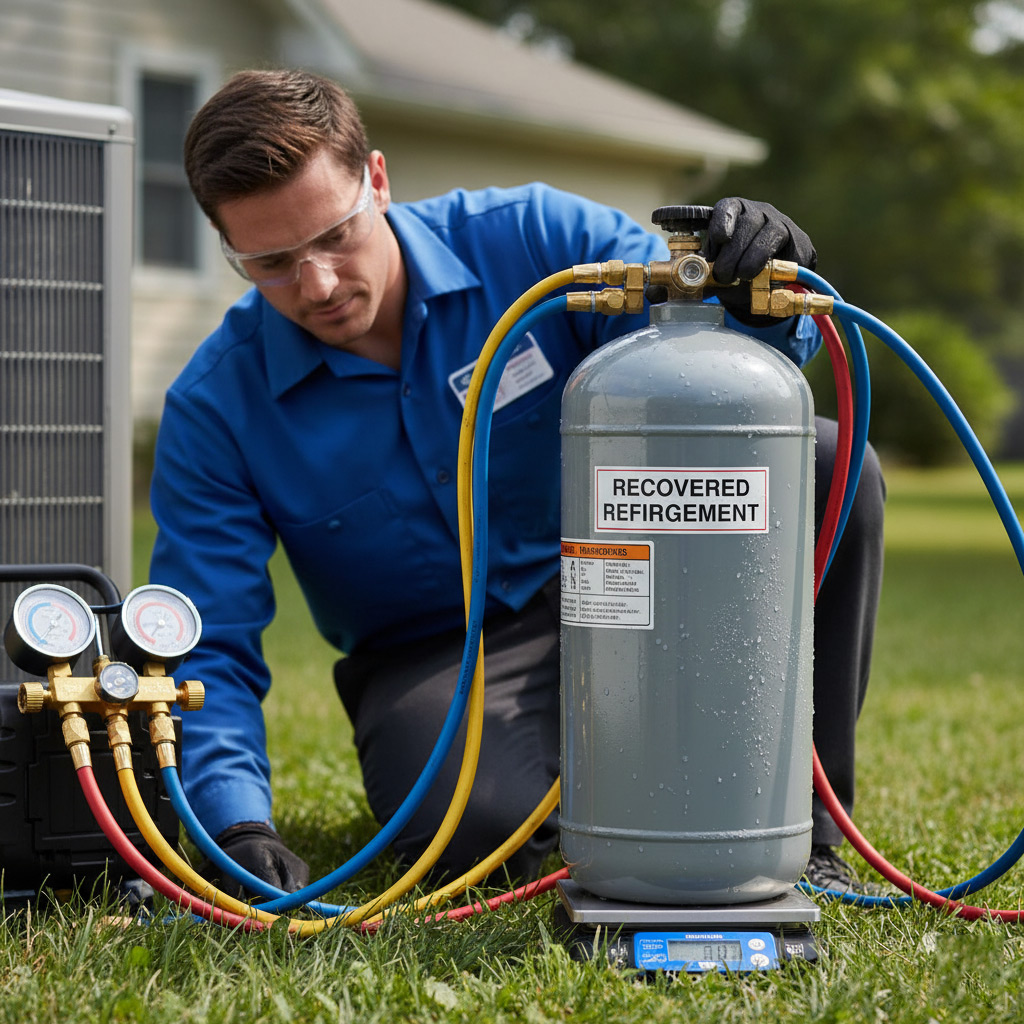
Ever get a sales pitch that sounds like a miracle cure for your sky‑high electric bill? In Corona, the promise of a free “energy audit” can feel like a golden ticket—until you see the fine print.
Homeowners here are sick of watching the meter spin while the sun blazes outside. A solid audit should point out the leaks, not just hand you a glossy report that leaves you guessing.
There’s a lot of myth‑selling around what an audit actually delivers. Some firms will walk you through every duct and thermostat, while others just skim the surface and charge you for “extra services.”
If you’re ready to cut through the hype and discover what truly saves you money, keep reading.
Understanding Energy Audits: Definitions, Types, and What to Expect
What an Energy Audit Actually Is
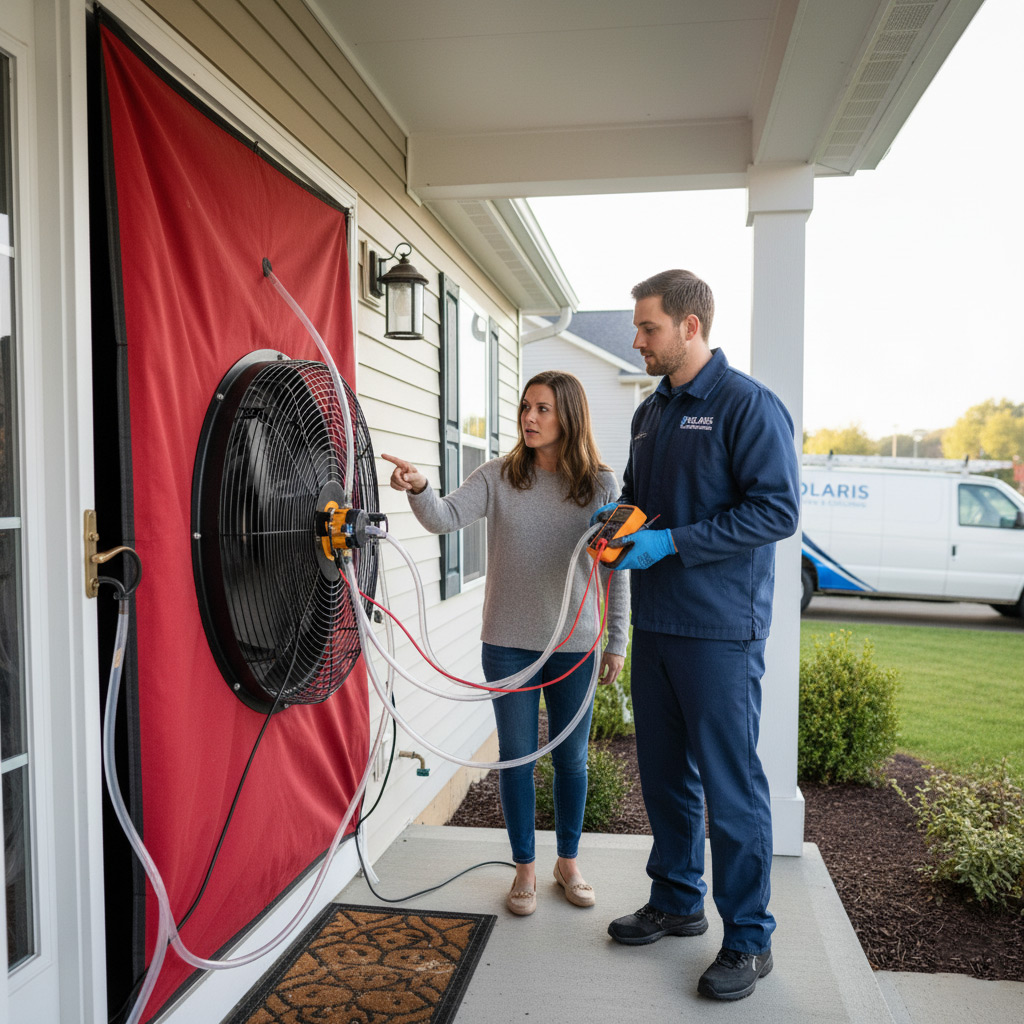
An energy audit is a systematic check‑up of how your home consumes power, pinpointing the spots where heat leaks out or where appliances gobble electricity for no good reason. Think of it as a doctor’s exam for your house—only the stethoscope is a blower door and a thermal camera.
When a qualified auditor walks through your Corona home, they’ll measure airflow, inspect insulation, and note any glaring inefficiencies. The goal? Give you a clear, actionable list that stops the meter from spinning faster than a desert wind.
Types of Audits You’ll Encounter
Not all audits are created equal. Here’s a quick rundown of the most common flavors you’ll see on a contractor’s flyer:
- Walk‑through audit – A 30‑minute visual inspection, great for a first‑look but often misses hidden leaks.
- Blower‑door test – A fan is mounted in a door frame to pressurize the house, revealing air infiltration points you can’t see.
- Thermographic scan – Infrared cameras spot temperature differences behind walls, ceilings, and around windows.
- Detailed diagnostic audit – Combines the above with duct leakage testing and equipment performance analysis.
What to Expect on the Day of the Audit
First, the auditor will ask about your utility bills and any comfort complaints you’ve had. Then they’ll set up the blower door, run the fan, and start snapping photos with the thermal camera. Expect a 2‑hour window for a thorough job.
After the inspection, you’ll receive a report that breaks down findings into three sections: what’s broken, what can be fixed now, and what’s a long‑term investment. The report should also include cost estimates and potential savings, so you can decide which fixes are worth your time and money.
Corona’s Climate Factors: How Local Weather Affects Your Home’s Energy Use
Corona lives in a sweet spot between desert heat and coastal breeze. Summer temps regularly hit the high 90s, while evenings dip into the 60s. That swing forces your AC to work hard in the day and then idle uselessly at night—if your system isn’t tuned to the pattern.
Temperature Swings
Day‑to‑night shifts are the silent money‑drainers. A thermostat set to 78°F all day and 70°F at night sounds reasonable, but the house envelope often leaks that comfort away. Seal the gaps and you’ll see the AC cycle less, saving dollars on every cool‑down.
Sun Exposure
South‑facing windows soak up solar heat like a sponge. In Corona’s clear skies, that extra load can add 15‑20% to your cooling bill. Strategic shading—a pergola, awning, or low‑e film—cuts the heat before it even reaches your ducts.
Key climate drivers you can’t ignore:
- Peak summer highs – push HVAC capacity to its limit.
- Low humidity – makes the air feel cooler, but can hide insulation gaps.
- Evening breezes – perfect for natural cooling if you let windows breathe.
- Morning fog – a reminder to check for moisture buildup around ducts.
Core Elements of a Comprehensive Audit: Ductwork, Insulation, HVAC Systems, and More
1. Ductwork – the hidden highway
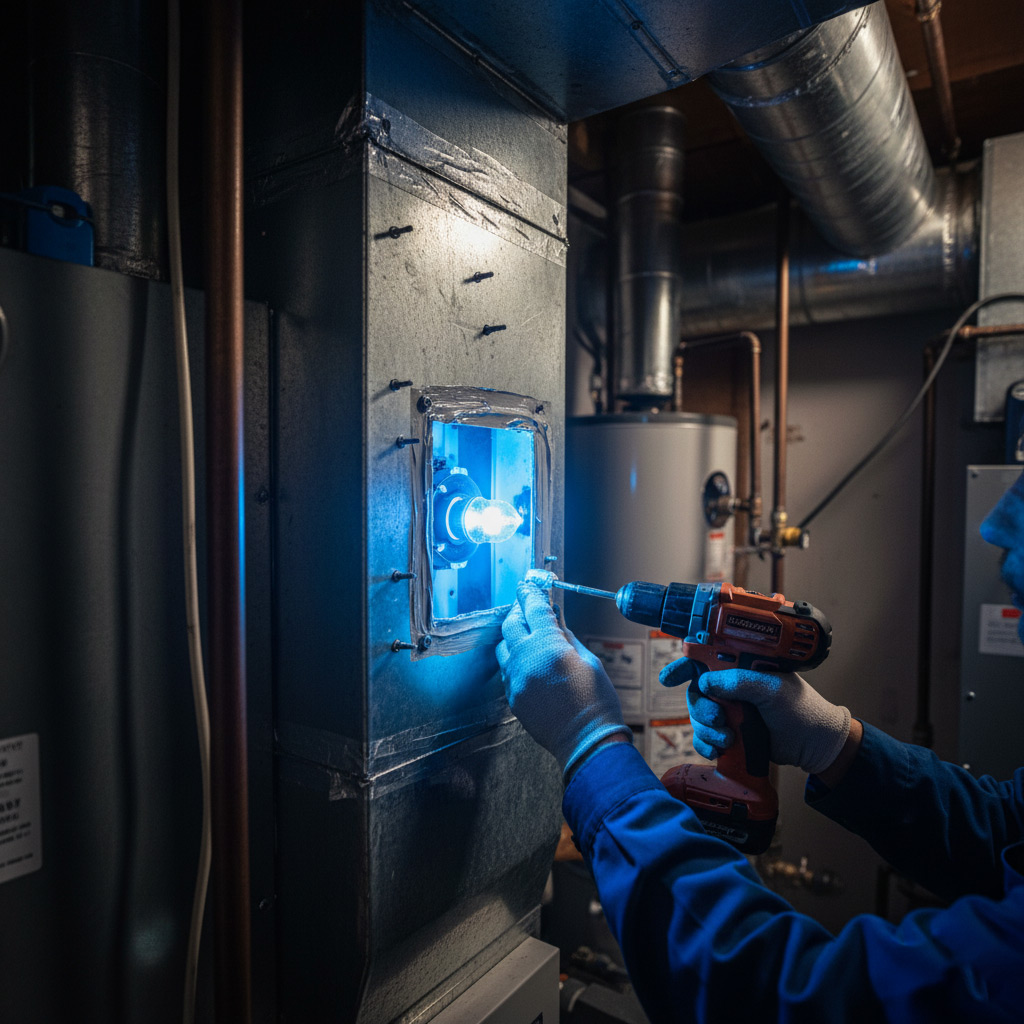
Most Corona homes have ducts that look fine on the surface but leak air like a busted garden hose. A good auditor will pressurize each branch, watch the smoke drift, and note every leak, loose connection, and missing seal.
Expect a blow‑by test and a visual inspection that includes:
- Checking for disconnected sections
- Verifying proper insulation around cold‑air runs
- Measuring static pressure to spot bottlenecks
2. Insulation – the silent money‑saver
In Corona’s hot summers, a thin attic blanket can add hundreds to your bill. Auditors should pull back a few boards, feel the R‑value, and compare it to local code.
Key things they’ll look for:
- Gaps around windows and doors
- Missing or compressed batts in walls
- Thermal bridging on steel studs
3. HVAC System – the heart of the house
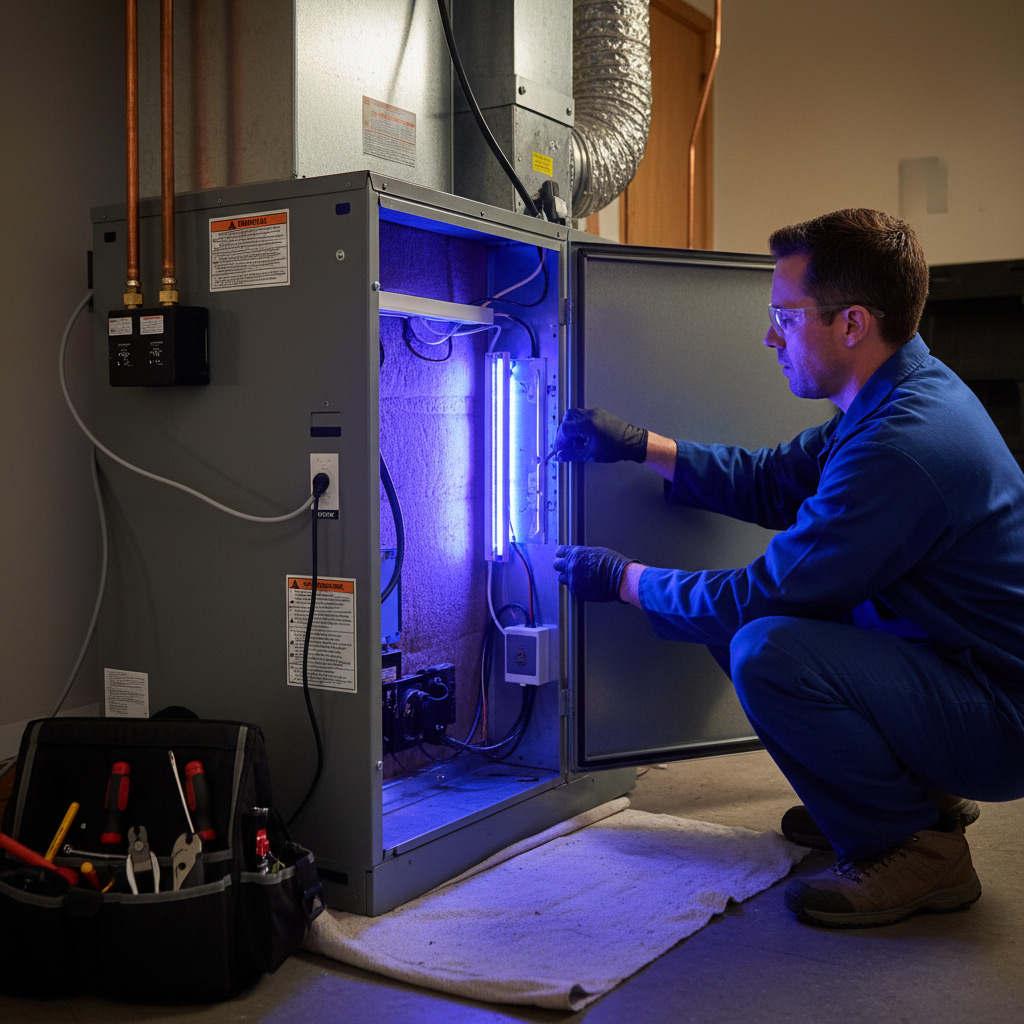
A unit that’s the right size but poorly tuned will waste energy faster than a leaky faucet. The audit will include a full performance check: refrigerant charge, coil cleanliness, and thermostat calibration.
Don’t settle for a quick glance. A thorough report will give you:
- Exact SEER rating versus actual output
- Recommendations for variable‑speed fans or smart thermostats
- Cost‑benefit analysis of repair vs. replacement
Red Flags and Common Pitfalls: Identifying Incomplete Audits and Upsell Tactics
When a contractor walks in with a clipboard and a smile, don’t assume you’ve hit the jackpot. Look for gaps. If they skip the attic, ignore the ductwork, or rush through the thermostat settings, you’re probably getting a half‑baked report.
What to watch for
- Only a visual walk‑through, no blower‑door test.
- Missing measurements of insulation R‑value.
- Absence of a detailed heat‑loss calculation.
- Promises of “instant savings” without data.
These clues are the warning lights that the audit isn’t thorough. A genuine audit will hand you numbers, not just a glossy brochure.
Upsell traps
After the audit, many firms pivot to “recommended upgrades.” If the list feels endless, you’re in a classic upsell scenario.
- They suggest replacing a perfectly fine furnace with a brand‑new model.
- They bundle “air‑seal services” that you could DIY for a fraction of the cost.
- They quote a “complete system overhaul” before you’ve even seen the actual deficiencies.
Ask for a line‑item breakdown. Transparency is the antidote to hidden fees. If they can’t separate the audit cost from the upgrade cost, walk away.
Case Study: How a Detailed Energy Audit Saved a Corona Homeowner $1,200 Annually
The Home & the Problem
Maria Gonzalez lives in a 2,200‑sq‑ft ranch on Oak Street. Her electric bill hovered around $350 each month, even though she only ran the AC a few hours a day. She called a “free” energy audit, hoping for a quick fix.
What the Audit Uncovered
The auditor walked every room, checked the ductwork, and ran a blower‑door test. The report highlighted three money‑draining issues:
- Leaky ducts that lost 30% of conditioned air before it reached the living spaces.
- Poor attic insulation—only R‑13 where R‑30 is standard for Corona’s climate.
- Out‑of‑date thermostat set to “cool” 78°F even when no one was home.
Each flaw alone would have cost a few hundred dollars a year. Together they added up to a hefty $1,200 waste.
Action Plan & Savings
Maria tackled the low‑hang items herself: sealing ducts with foil tape and adding a programmable thermostat. She hired a local HVAC pro to upgrade the attic insulation—an investment of $1,800.
Within six months, her monthly bill dropped to $210. That’s a $1,200 annual saving, a 34% reduction, and a payback period of just 1.5 years on the insulation upgrade. The audit didn’t just hand her a report; it gave her a roadmap that paid for itself.
Post‑Audit Action Plan: DIY Fixes, Prioritizing Improvements, and Selecting the Right HVAC Contractor
The audit is only half the battle; now you need a clear action plan that separates quick wins from big projects. Start with low‑cost DIY fixes, then move to the upgrades that actually move the needle.
DIY Fixes that Pay Off Fast
- Seal gaps around windows and doors with weather‑stripping – a $10‑$20 job that can shave 5‑10% off your bill.
- Swap every incandescent for an LED – the savings start showing up on the next electric statement.
- Install a programmable thermostat and set it 8° lower at night – you’ll feel the difference without sacrificing comfort.
Prioritizing Larger Improvements
- Check attic insulation; add R‑30 or higher if you’re below code.
- Get a professional pressure‑test on your ductwork and seal any leaks before you consider a full replacement.
- If your furnace or heat pump is over 15 years old, evaluate a high‑efficiency replacement.
Rank these items by “cost vs. savings” – insulation and duct sealing usually give the biggest bang for your buck, so tackle them first.
Selecting the Right HVAC Contractor
- Ask for a written, itemized quote; vague numbers are a red flag.
- Verify licensing, insurance, and at least three recent reviews on Google or Yelp.
- Insist on a performance guarantee – a contractor who stands behind their work will back‑up the audit’s recommendations.
When you interview, treat the conversation like a sales pitch you’re evaluating. The right pro will listen, explain, and never push you into a “must‑have” upgrade you don’t need.
Final Words
Don’t let a glossy report become a paperweight. Keep the audit sheet, note every recommendation, and set a reminder to revisit the list every six months. Consistency beats a one‑time miracle.
Next Steps to Keep the Momentum
- Prioritize the low‑cost fixes first—seal gaps, add weatherstripping, and swap out leaky faucet aerators.
- Schedule a follow‑up with a certified HVAC pro to verify duct integrity and system sizing.
- Track your utility bills before and after each improvement; numbers speak louder than sales pitches.
When you’re ready to move from DIY to a full‑service check, choose a contractor who actually walks the whole house, not just the showroom. Our Energy Audit specialists in Corona know the local climate quirks and will give you a roadmap you can trust.
People Also Ask
What is included in a standard energy audit for a home in Corona, CA?
A standard energy audit examines insulation, ductwork, windows, doors, and the HVAC system. It also uses a blower door test and infrared imaging to pinpoint air leaks and thermal losses.How does Corona’s hot, dry climate affect the results of an energy audit?
The region’s high temperatures increase cooling loads, making duct leaks and poor insulation more costly. Audits in Corona focus heavily on sealing air infiltration and optimizing HVAC efficiency to combat the heat.Can I perform a DIY energy audit before hiring a professional?
Yes, you can check for obvious issues like drafty windows, missing insulation, and dirty filters. However, a professional audit provides detailed diagnostics such as blower door testing and thermal imaging that DIY methods miss.What red flags should I watch for when choosing an energy audit provider?
Beware of auditors who skip the blower door test, offer only a quick visual inspection, or push expensive upgrades without clear data. Transparent providers will give a written report with specific recommendations and cost‑benefit analysis.How much can a thorough energy audit save a typical Corona homeowner?
A comprehensive audit can uncover savings of $800‑$1,500 per year by reducing cooling costs and improving system efficiency. The exact amount depends on the home’s size, age, and current energy usage.
Corona HVAC brings over two decades of residential and commercial climate‑control expertise to the Corona community. Their certified technicians specialize in efficient heating, cooling, and indoor‑air‑quality solutions tailored to local needs. Committed to reliable service, they prioritize comfort and energy efficiency for every client.
Need HVAC?
We provide fast HVAC repair and installation in Corona, CA and nearby ZIPs (92879, 92880, 92882, 92501, 92503). Our focus is on restoring comfortable indoor temperatures quickly and reliably.
Get HVAC Quote