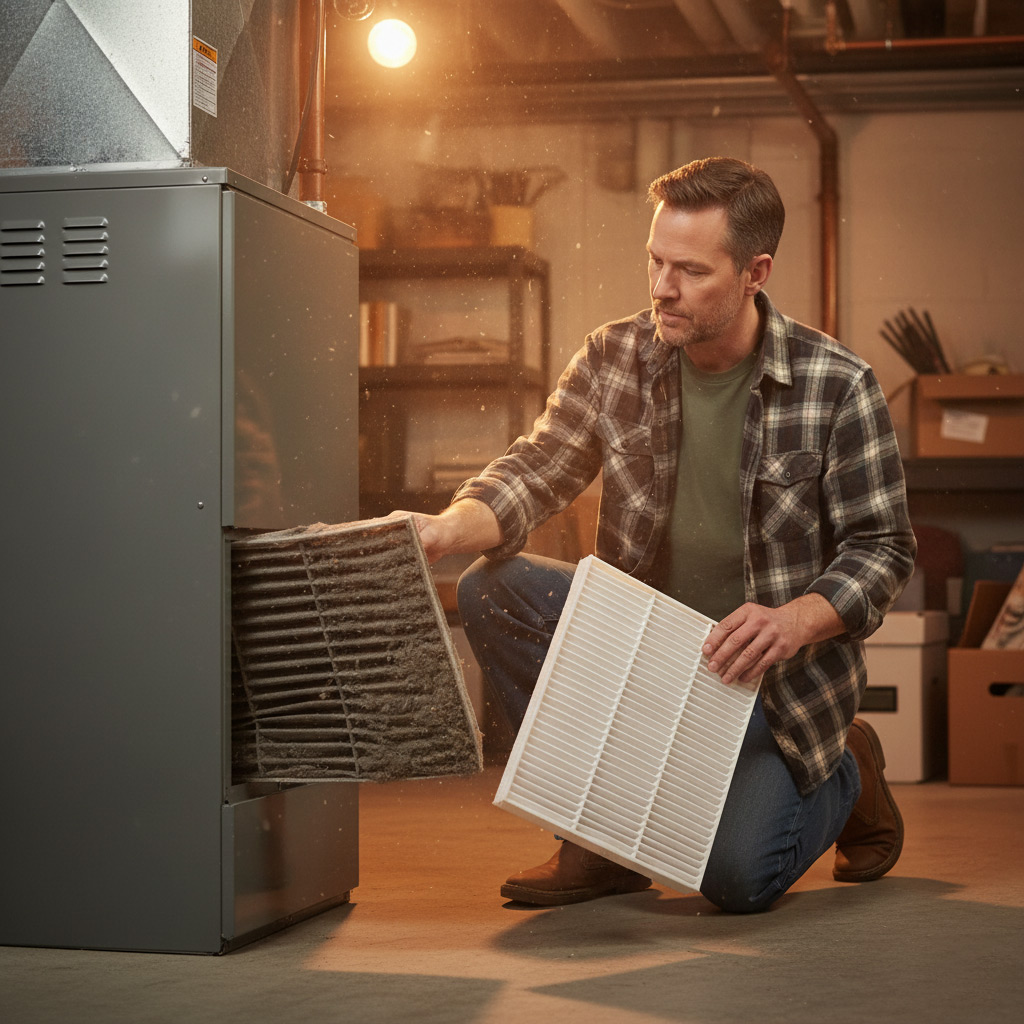
Ever walked into your living room and felt a stale, dusty breath hanging in the air? That invisible cloud is usually coming straight from the ducts that power your heat and cooling, and it’s a sign something’s off.
When grime builds up inside the metal maze, allergens hitch a ride, airflow slows, and your HVAC works harder than it should. The result? Sneezes, higher bills, and a system that quits when you need it most.
Good news: you don’t need a PhD to get those ducts sparkling clean. In the next few minutes we’ll walk you through a no‑nonsense, step‑by‑step roadmap that any homeowner in Corona can follow, so you can breathe easy and keep your system humming. Let’s dive in.
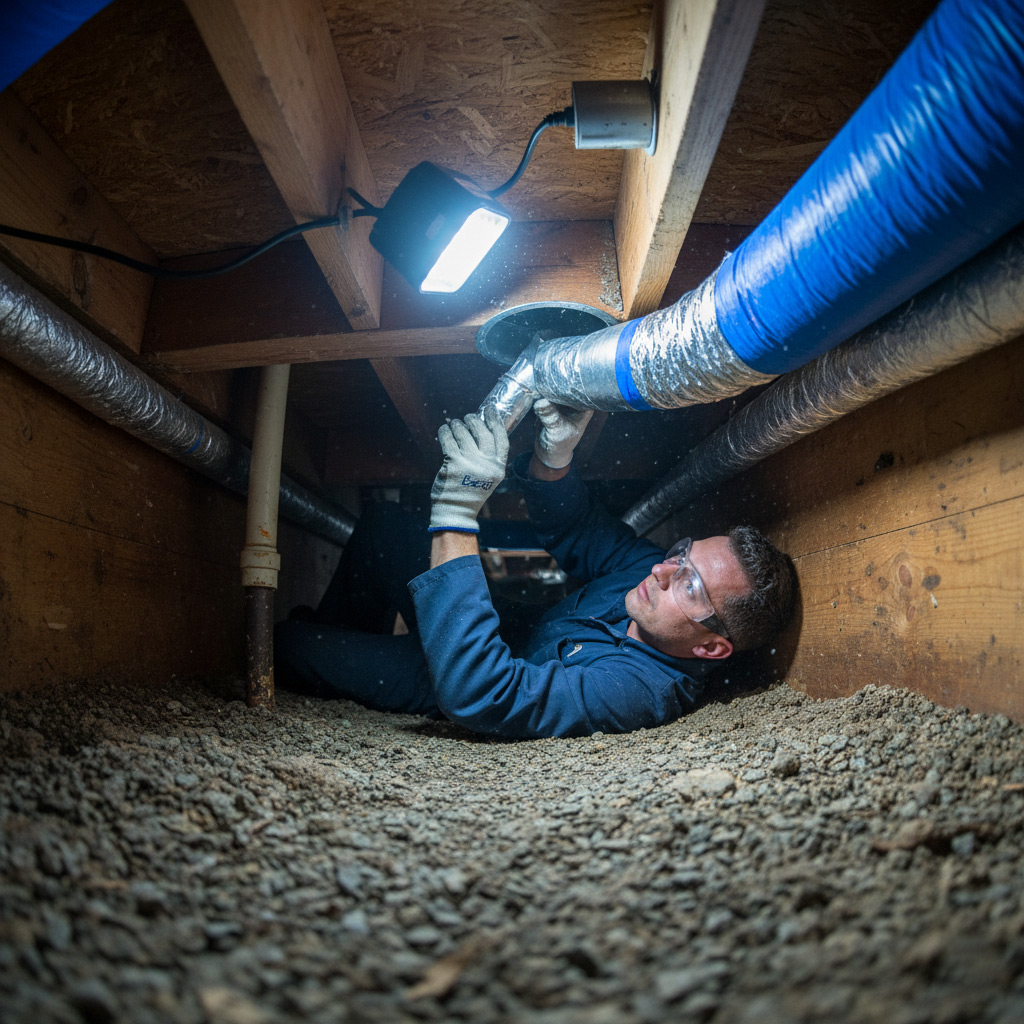
Signs Your Ducts Need Cleaning: Identifying the Red Flags
When you walk into a room and the air feels like it’s been filtered through a dusty attic, that’s a neon sign that your ducts are clogged. Visible dust on vents, a musty or smoky smell when the system kicks on, and a sudden uptick in sneezing or coughing are all tell‑tale clues. If you’ve been wiping the same spots on your registers week after week, the problem is probably deeper than the surface.
Higher energy bills without a change in usage are another red flag. Your HVAC has to work harder to push air through narrowed pathways, so the thermostat climbs while the thermostat stays the same. Uneven temperatures—one side of the house feels like a freezer while the other feels like a sauna—usually mean airflow is being throttled by debris.
Red Flag Checklist
- Dusty or dirty vent covers that need a quick wipe.
- Persistent musty, stale, or burnt‑out odor when the system runs.
- Allergy symptoms that flare up indoors, especially at night.
- Noticeable drop in airflow—the fan sounds louder but the breeze feels weak.
- Unexplained spike in utility costs despite normal thermostat settings.
- Visible mold growth or water stains around ducts or registers.
Pre‑Cleaning Prep: What Homeowners Should Do Before the Service
Clear the Work Zone
Start by moving furniture a few feet away from vents and registers. Leave a clear path for the crew’s equipment and for you to see the results.
Take off any floor rugs or mats that sit directly over the grates. It’s a quick step that saves time and prevents accidental damage.
Secure Pets and Kids
Make sure dogs, cats, and curious toddlers are in a separate room. A calm environment means the technicians can focus on the ducts, not on chasing a wagging tail.
Close interior doors to keep dust from drifting into living spaces. Seal off the area with a simple towel or draft stopper if you have one.
Gather Simple Supplies
Have a flashlight handy – it helps you spot any obvious debris before the pros arrive.
- Paper towels or a disposable rag for quick wipe‑downs.
- A small vacuum with a hose attachment for any loose dust you want to catch.
- Pen and paper to note any odd smells or spots you’ve noticed.
These items take seconds to collect, but they give the technicians a head start and keep you in the loop.
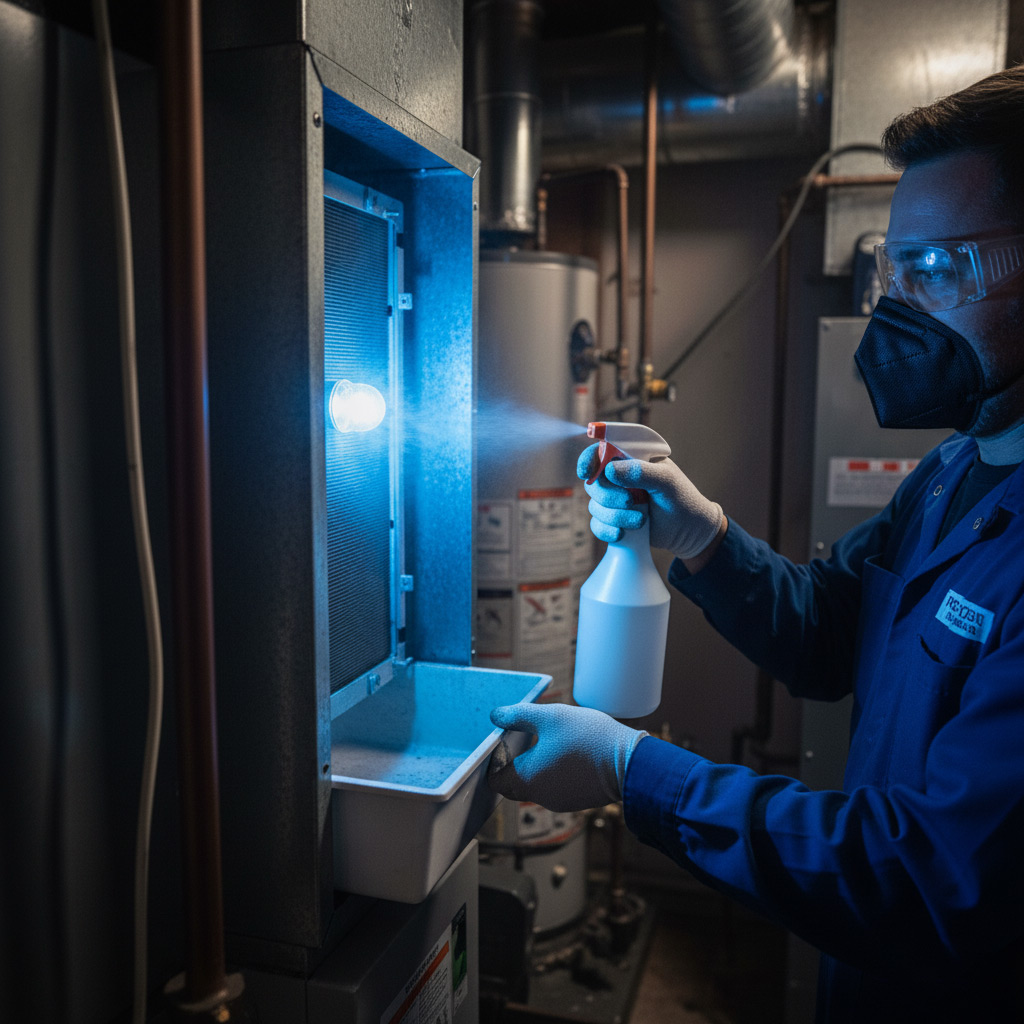
The Step‑By‑Step Duct Cleaning Process: Tools, Techniques, and Safety Measures
First, the tech rolls in with a truck‑mounted vacuum that creates negative pressure inside the ducts. That suction pulls dust, mold spores, and debris straight out, leaving a clear path for fresh air. It’s the backbone of a proper clean.
Tools of the Trade
Every professional kit includes a few must‑haves:
- Rotary brush system – spins to dislodge stubborn grime.
- High‑capacity HEPA vacuum – traps particles as small as 0.3 microns.
- Flexible inspection camera – lets the tech see hidden corners.
- Sealing tape and foil – used to close off vents after the job.
With the gear ready, the technician starts at the main supply plenum. They insert the brush, rotate it for 30‑45 seconds per section, then immediately vacuum the loosened material. This two‑step push‑pull method prevents dust from settling back into the system.
Safety First
Cleaning ducts isn’t a free‑for‑all; safety rules keep both the home and the crew intact.
- Wear N‑95 respirators and eye protection.
- Turn off the HVAC unit and lock out the thermostat.
- Seal all supply and return registers to maintain negative pressure.
- Check for asbestos or lead‑based paint before disturbing old insulation.
Once the vacuum finishes, the tech runs a final airflow test. If the numbers match the manufacturer’s specs, they seal any gaps they found and hand you a clean‑air report. Your system is now ready to run at peak efficiency.
Post‑Cleaning Inspection: Verifying Airflow, Sealing Leaks, and Ensuring Quality
First thing after the crew pulls the vacuum is a quick visual sweep. Look for any leftover debris, ragged insulation, or loose screws that might have been missed. A fast hand‑held anemometer reading at each register tells you if the airflow is back to normal – you should see a noticeable jump from the pre‑clean numbers.
Seal the Leaks
Even a tiny crack can undo all that hard work. Grab a smoke pencil or a simple incense stick and watch the smoke drift; if it escapes, you’ve got a leak.
- Apply mastic sealant to all seams and joints.
- Wrap flexible duct sections with foil‑backed tape – no cheap cloth tape.
- Re‑attach any disconnected sections and tighten clamps.
Quality Assurance
Before the tech packs up, they’ll run a final system check. This includes a second airflow test, a thermostat calibration, and a brief run‑time to listen for odd noises.
- Confirm that each room’s temperature matches the thermostat setting.
- Check for any new vibrations or rattles.
- Provide you with a written report that lists pressure readings and sealant locations.
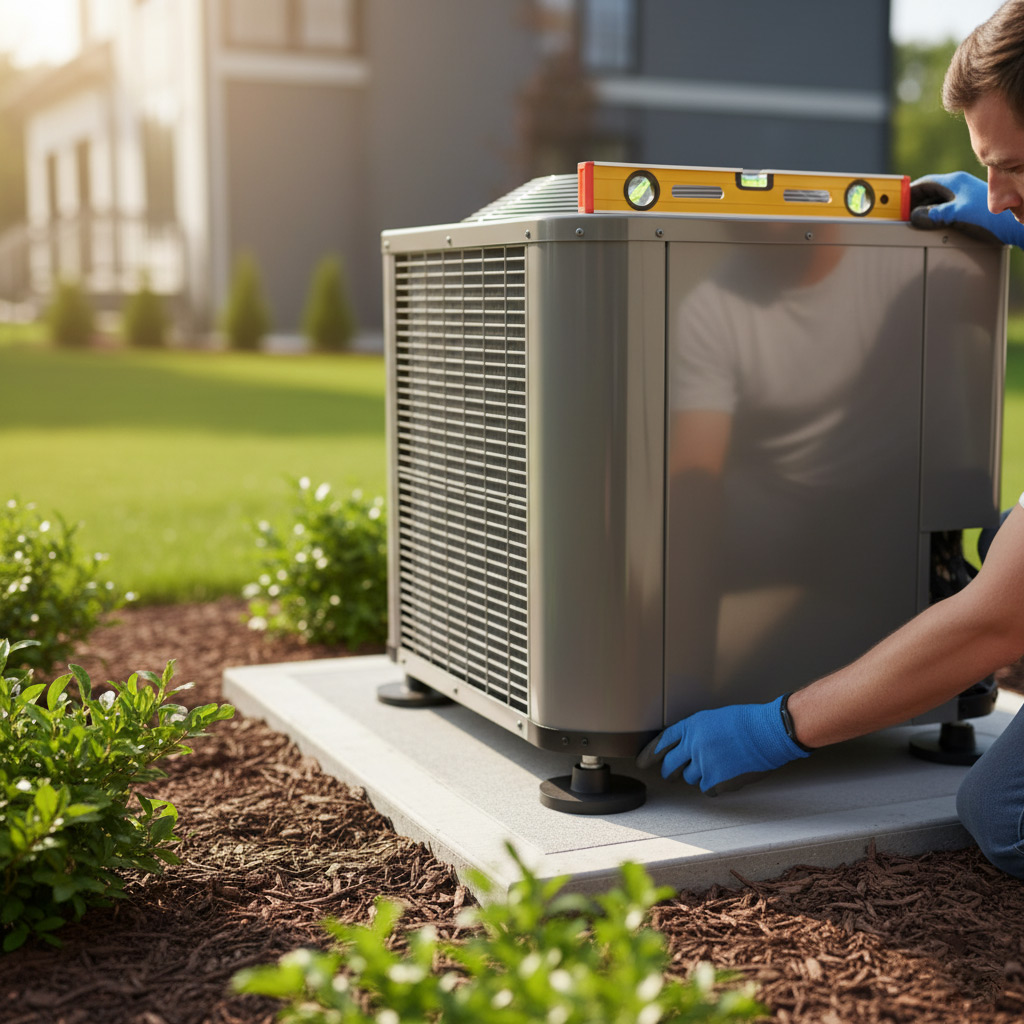
Maintenance Schedule: How Often to Clean Ducts in Corona’s Climate
Corona’s dry, sunny days stir up a lot of dust, while the occasional Santa Ana winds bring in pollen from miles away. That combo means your ductwork can get dirty faster than you think. Cleaning on a regular cadence keeps the air fresh and the HVAC running smooth.
Typical Frequency
Most homeowners in this area find a year‑to‑year schedule works like a charm. Here’s a quick cheat sheet:
- Every 12 months – baseline cleaning for average families.
- Every 6 months – if you have pets, smokers, or a large family.
- After major renovations – dust from construction can settle deep in the ducts.
Adjusting for Real‑World Use
Don’t treat the schedule like a rigid rule. Watch for these tell‑tale signs and act sooner:
- Visible dust on vents or return grilles.
- Allergy flare‑ups that seem out of the ordinary.
- Unexplained spikes in energy bills.
When any of those pop up, call a pro before the next calendar date. A quick inspection can save you from a full‑blown cleaning later.
Case Study: Restoring Indoor Air Quality for a Corona Family Home
The Situation
When the Martinez family moved into their 2‑story home in Corona, they noticed a persistent musty smell and constant sneezing during the summer. Allergy medication was becoming a monthly expense, and the HVAC system seemed to run nonstop without delivering cool air.
After a quick visual check, our technician spotted dark buildup near the supply registers and a layer of dust on the return grille—classic signs that the ducts had been neglected for years.
The Intervention
We performed a full‑service duct cleaning, using a high‑velocity vacuum, rotary brush, and HEPA‑rated filtration. The process unfolded in three stages:
- Pre‑inspection: Camera inspection revealed mold spores in the main trunk.
- Cleaning: Rotating brushes dislodged debris while the vacuum captured 98% of particles.
- Sealing: All accessible seams were taped and sealed to prevent future leaks.
Within an hour, the air felt noticeably fresher, and the system’s fan speed dropped by 15%—a clear sign of reduced strain.
Homeowner Reaction
Mrs. Martinez reported that her son’s asthma attacks vanished after just two days, and the family no longer needed to keep windows open for “fresh air.” Energy bills fell by roughly 12% during the first month, confirming that a clean duct network really does pay for itself.
Now the Martinez home enjoys a clean, quiet HVAC system, and the family sleeps better knowing the air they breathe is no longer a hidden health hazard.
Final Words
Corona’s dry heat and occasional smog make clean ducts a non‑negotiable part of home comfort. Don’t wait until the next allergy flare‑up or a sky‑high energy bill forces you to act.
What Happens When You Call
- We schedule a same‑day inspection, no hassle.
- Technicians arrive with certified tools, wear protective gear, and protect your floors.
- After the job, you get a clear report and a 30‑day performance guarantee.
Ready to breathe easier? Click the link below to explore our full range of services and lock in a slot before the summer rush hits.
People Also Ask
How often should I have my HVAC ducts cleaned in Corona, CA?
Cleaning your ducts every 3‑5 years is typical for Corona’s dry, dusty climate, but homes with pets, allergies, or recent renovations may need it more often. A professional inspection can help determine the optimal schedule for your household.What are the main signs that my ducts need cleaning?
Look for visible dust buildup on vents, a musty or stale odor, and increased allergy symptoms among occupants. Reduced airflow or noticeable debris falling from registers also indicates it’s time for a clean.Do I need to prepare my home before a duct cleaning service?
Yes, clear the area around vents, remove fragile items, and cover furniture to protect against dust. Turning off HVAC equipment and sealing pets in a safe room helps the technicians work efficiently.What tools and techniques do professionals use for duct cleaning?
Technicians employ high‑powered vacuums, rotary brushes, and compressed air to dislodge and extract contaminants. They also use HEPA‑rated filters and sealant sprays to protect the system and improve airflow.Can duct cleaning improve my indoor air quality?
A thorough cleaning removes dust, mold spores, and allergens, leading to cleaner air and fewer respiratory irritations. When combined with regular filter changes, it can significantly boost overall indoor air quality.
Corona HVAC has served the Corona community for over a decade, delivering reliable heating and cooling solutions. Their certified technicians blend local knowledge with advanced training to keep homes comfortable year‑round. Committed to responsive service, they tailor each installation and repair to the unique needs of Corona residents.
Need HVAC?
We provide fast HVAC repair and installation in Corona, CA and nearby ZIPs (92879, 92880, 92882, 92501, 92503). Our focus is on restoring comfortable indoor temperatures quickly and reliably.
Get HVAC Quote