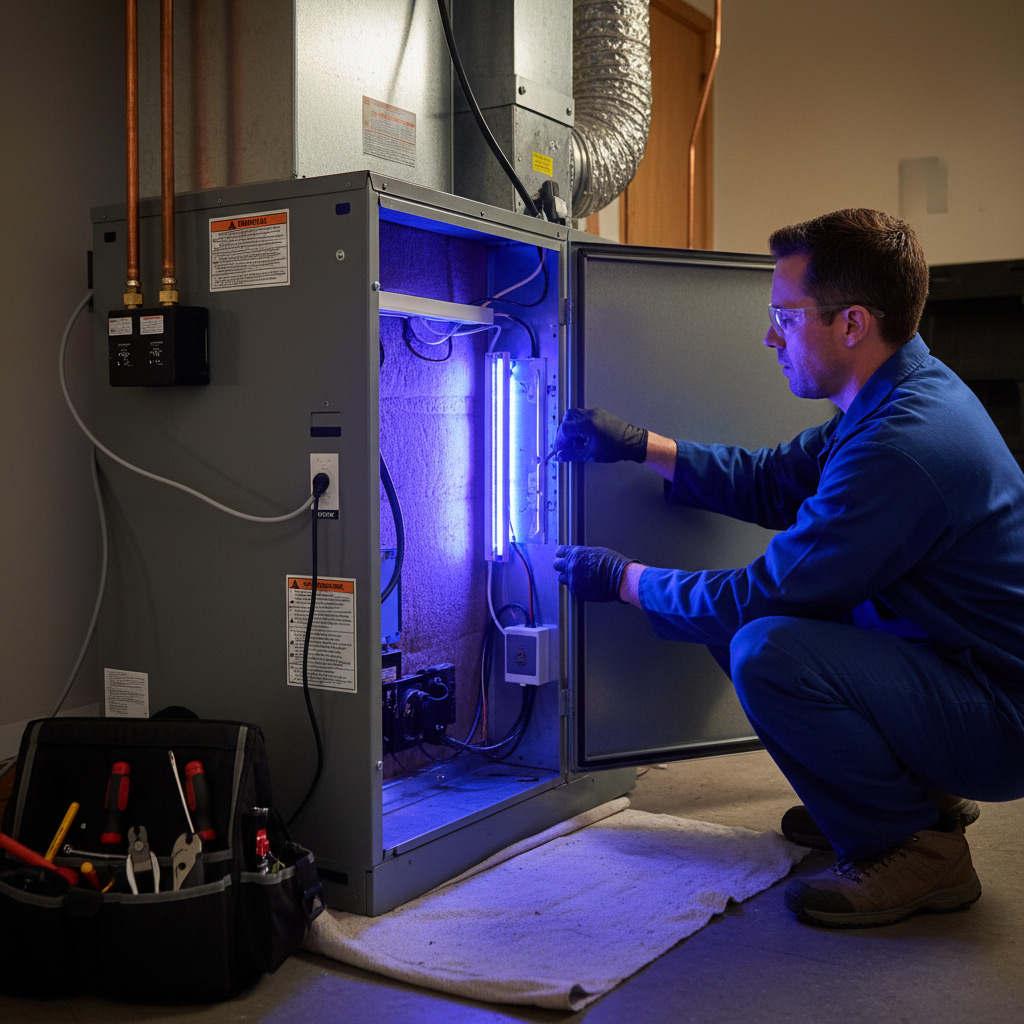
Picture this: you glance at your monthly power bill, see a number that makes you smile, and realize you didn’t have to replace a single piece of equipment. That’s the payoff for a savvy Corona homeowner who lets a professional audit sniff out waste before it drains the wallet.
In a city where the sun blazes most of the year, a quick walk‑through can uncover hidden leaks, mis‑sized ducts, and thermostat tricks that are silently stealing cash. The right audit doesn’t just point out problems—it hands you a roadmap to keep your home comfortable while the dollars stay where they belong.
Ready to see exactly what the pros look for and how you can start saving right away? Keep reading and you’ll discover the exact steps smart owners take after the audit, so you can start reaping the benefits this summer.
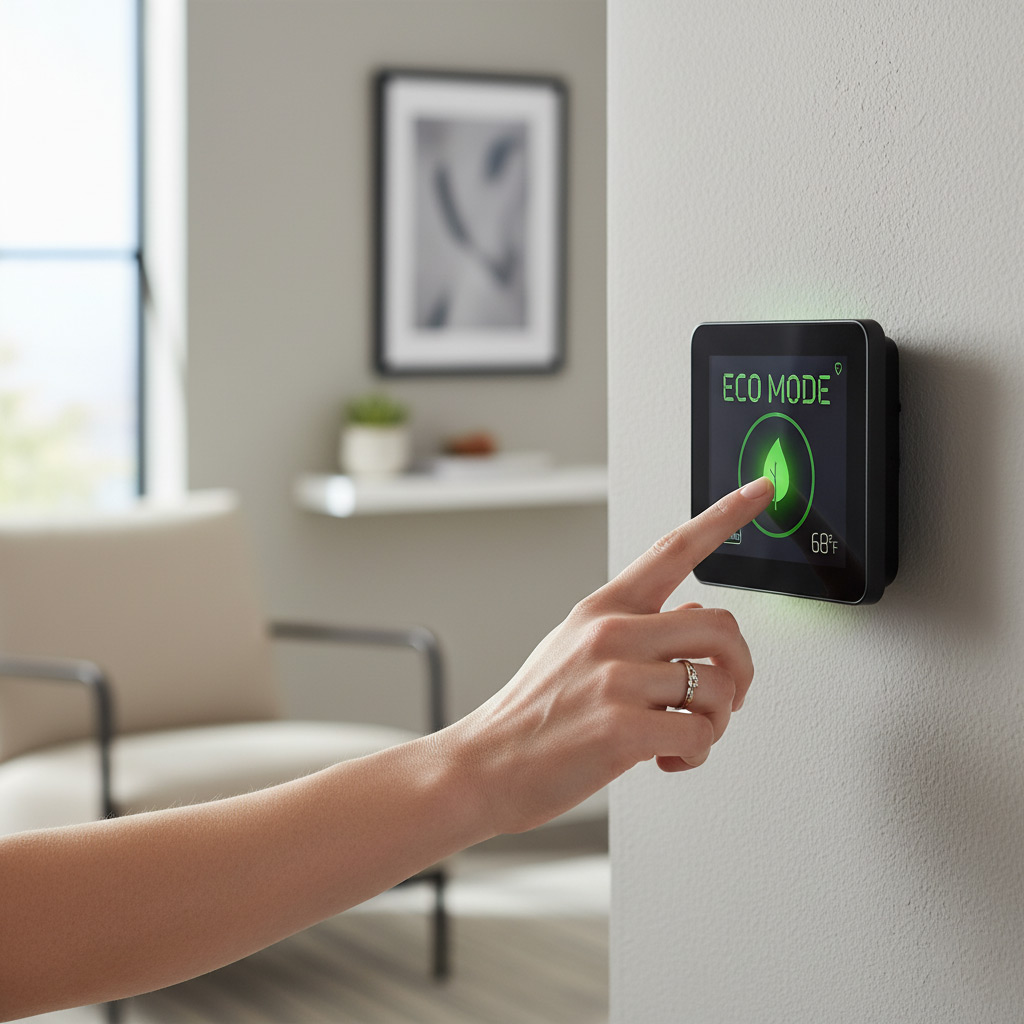
What an Energy Audit Actually Looks Like in Corona, CA
The First 30 Minutes
When the auditor steps onto your porch, they’re not there to sell you a new furnace. They’re there to listen to the hum of your home and spot the silent money‑leaks.
They start with a quick visual sweep: windows, doors, and the attic hatch. A notebook opens, a few questions fire off, and you get a sense of what’s about to happen.
Inside the Box – HVAC, Ducts, and Insulation
The technician pulls the thermostat out of its wall cradle and checks the calibration. Mis‑set temperatures can add up fast in a sunny Corona climate.
Next, they crawl into the crawlspace or attic, feeling for cold spots and gaps. A flashlight reveals:
- Unsealed duct joints that let conditioned air escape.
- Missing or crumbling insulation that lets heat slip away.
- Air leaks around recessed lights and vent fans.
Tools of the Trade – Data That Drives Savings
A blower‑door fan is set up in an exterior doorway, creating a controlled pressure difference. The meter reads how much air is sneaking in.
Meanwhile, an infrared camera scans walls and ceilings, painting a heat map of hidden loss. Those red patches are the gold mines for quick, cheap fixes.
The Top Energy‑Wasting Culprits Found in Local Homes
Corona’s climate loves to swing between scorching days and cool evenings, and that swing can expose a handful of sneaky energy thieves. Most homeowners don’t realize that the biggest leaks aren’t always visible—they’re hidden in the walls, the attic, and even the thermostat settings.
Leaky Ductwork
When ducts run through unconditioned spaces, they act like a straw sucking warm air out in summer and cold air out in winter. A single disconnected joint can waste up to 30 % of your HVAC output.
- Loose connections – often found behind walls or in crawl spaces.
- Poor insulation – metal ducts without foil wrap lose heat fast.
- Improper sizing – oversized ducts push air too fast, creating turbulence.
Thermostat Tactics Gone Wrong
Many Corona homes still run on legacy programmable thermostats that are set to “comfort” instead of “efficiency.” A thermostat stuck at 78 °F in summer can add hundreds of dollars to a yearly bill.
- Incorrect scheduling – heating or cooling runs when no one’s home.
- Location bias – units placed near sunny windows read higher temps.
- Manual overrides – frequent “just a few degrees lower” adjustments.
Window and Door Drafts
Even brand‑new windows can leak if the seal isn’t perfect, and older single‑pane units are a nightmare in a desert climate. Drafts force the HVAC system to work overtime to keep rooms at the set temperature.
- Weatherstripping gaps – especially around sliding doors.
- Improperly installed caulking – cracks around frames let air slip through.
- Glass‑to‑frame mismatch – older frames warp with heat, creating tiny openings.

How Professionals Perform the Walk‑Through: Tools, Tests, and Techniques
First thing the auditor does is step inside and take a quick visual sweep. They’re looking for obvious red flags—gaps around windows, exposed ductwork, or a thermostat that’s stuck at 78°F. While the eyes do the heavy lifting, a handheld infrared camera snaps a thermal map that instantly shows where heat is escaping.
Key Tests That Reveal Hidden Waste
Once the visual check is done, the pros pull out the heavy‑duty gear. A blower‑door fan creates a controlled pressure difference, letting them measure how much air is leaking through the envelope. Then they run a duct‑leakage test with a calibrated fan and a smoke pencil to pinpoint the exact spots that need sealing.
- Combustion analysis on gas furnaces ensures safe, efficient burning.
- Thermostat calibration checks that the device is actually doing what it says.
- Power quality meter spots phantom loads from standby electronics.
Techniques That Turn Data Into Action
With numbers in hand, the auditor moves to the “fix‑it” phase. They’ll recommend sealing gaps with low‑expansion spray foam, adding attic insulation, or installing a smart thermostat that learns your schedule. Ducts get re‑balanced so each room gets the right amount of airflow, and any oversized equipment is flagged for replacement.
Every recommendation is tied to a clear ROI—the auditor shows you how many dollars you’ll save each month versus the upfront cost. That way you can prioritize quick wins (like sealing a single attic hatch) before tackling bigger projects (like a whole‑home HVAC upgrade).
Decoding Your Audit Report: Priorities, ROI, and Quick Wins
When the auditor hands you the paper, the first thing you’ll see is a color‑coded summary. Green means “good,” yellow flags “needs attention,” and red screams “fix now.” Don’t get lost in the jargon—the layout is designed to point you straight to the money‑saving spots.
Priorities & Payback
Every recommendation is ranked by impact and cost. The top tier usually includes items that pay for themselves in under a year—think sealing duct leaks or upgrading to a programmable thermostat. Mid‑tier fixes might need a 2‑3 year payback, like adding attic insulation.
Quick Wins You Can Do Today
Before you call a contractor, tackle the low‑effort tasks that show immediate results. They’re cheap, fast, and often overlooked.
- Close curtains at night to block heat loss.
- Replace old furnace filters with high‑MERV versions.
- Install a smart power strip for entertainment centers.
These three moves alone can shave 5‑10% off your bill while you line up the bigger projects. Start small, see the savings, then scale up.
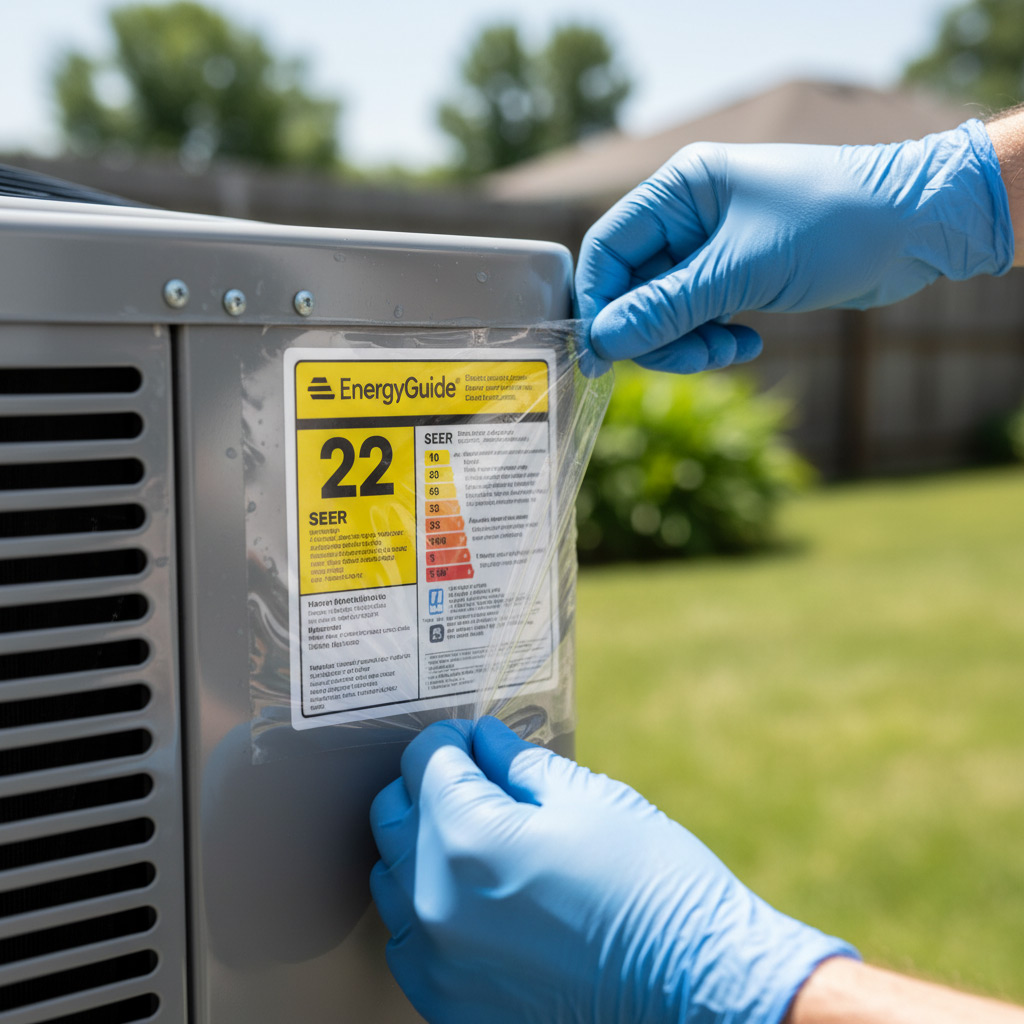
Smart Home Upgrades That Turn Audit Findings into Real Savings
Programmable & Learning Thermostats
Swap the old dial for a Wi‑Fi thermostat that learns your schedule. Set it once, forget it, and watch the HVAC run only when you need it. A quick app tweak can shave 10‑15% off your cooling bill.
Targeted Insulation & Air‑Sealing
Audit data often points to leaky attics and drafty windows. Seal gaps with spray foam or weather‑stripping, then add R‑value where it counts. The result? Your system works less, and the house stays comfy.
- Attic floor: add blown‑in cellulose.
- Basement walls: apply rigid foam panels.
- Doors & windows: install low‑E film.
Smart Duct & Vent Solutions
Mis‑sized or dirty ducts are energy vampires. Install motorized dampers that close off unused zones, and pair them with a duct‑leak detector for ongoing checks. You’ll see immediate savings and a longer lifespan for your furnace.
Solar‑Ready Power Management
Corona’s sun is a free resource—make it work for you. Add a solar inverter with built‑in monitoring, then sync it to your smart thermostat. When the panels kick in, the HVAC draws clean power, cutting utility costs dramatically.
Case Study: A Corona Home’s Journey from Audit to 30% Energy Reduction
The Starting Point
When the Martinez family called us, their August bill was hovering around $350 – a number that made them wince every time the envelope arrived. Our certified auditor spent 90 minutes walking the 2,200‑sq‑ft house, noting leaky ducts, an aging furnace, and a thermostat that was stuck in “cool” mode even on scorching days. What they didn’t know was that the biggest money‑saver was hiding in plain sight.
The Fixes Implemented
We handed them a three‑step action plan that fit their budget and timeline. The upgrades were simple, but each one knocked a chunk off the utility meter:
- Seal and insulate all accessible ductwork – saved ~8%.
- Install a programmable smart thermostat with geofencing – cut heating/cooling peaks by ~12%.
- Replace the 15‑year‑old furnace with a high‑efficiency 95% AFUE unit – delivered the biggest jump, roughly 10%.
All work was completed in under two weeks, and the family was already seeing a dip in the next bill.
The Payoff
Six months later, the Martinez’s electricity and gas combined dropped from $350 to $245 – a clean 30% reduction. Their ROI hit break‑even in just 14 months, and the comfort level in every room improved dramatically. Bottom line: a focused audit plus a handful of smart upgrades turned a painful bill into a predictable, manageable expense.
Final Words
Now that you’ve seen what a professional audit uncovers, the real work begins: turning data into dollars. Pick up the phone, book a certified auditor, and lock in that first step toward a leaner bill. The sooner you act, the faster the savings start stacking.
Quick Wins You Can Deploy Today
- Seal gaps around doors and windows with weather‑stripping – it’s cheap and cuts loss instantly.
- Swap old incandescent bulbs for LED – you’ll notice the difference on the next bill.
- Set your thermostat 2 °F lower in winter and higher in summer – comfort stays, waste disappears.
Need more guidance? Dive deeper into the process, tools, and typical findings by visiting our Energy Audit hub. It’s packed with checklists, FAQs, and real‑world examples that keep you from guessing and get you straight to results.
People Also Ask
What does an energy audit include for a typical Corona home?
An energy audit in Corona examines insulation, windows, HVAC efficiency, and appliance usage. A certified auditor uses blower doors, infrared cameras, and diagnostic tools to pinpoint leaks and inefficiencies.How much can a homeowner in Corona expect to save after implementing audit recommendations?
Smart upgrades based on audit findings often yield 15‑30% lower utility bills. Savings depend on the home’s age, current systems, and the extent of the improvements.Are energy audits required by any local regulations in Corona, CA?
Corona does not mandate audits for most residential properties, but the city offers incentives for energy‑saving upgrades. Participating in a voluntary audit can qualify homeowners for rebates on insulation and HVAC upgrades.How long does a professional energy audit take?
A thorough walk‑through typically lasts 2‑3 hours, including testing and data collection. Larger homes or those with complex HVAC systems may require additional time.Can I perform a basic energy audit myself before hiring a pro?
Homeowners can start with a DIY checklist: check for drafts, inspect insulation, and monitor thermostat settings. However, a professional audit provides detailed diagnostics and a prioritized action plan that DIY methods often miss.
Corona HVAC has served the Corona community for over 15 years, delivering reliable heating and cooling solutions. Their certified technicians combine industry expertise with a deep understanding of local climate needs, ensuring comfortable indoor environments for homes and businesses.
Need HVAC?
We provide fast HVAC repair and installation in Corona, CA and nearby ZIPs (92879, 92880, 92882, 92501, 92503). Our focus is on restoring comfortable indoor temperatures quickly and reliably.
Get HVAC Quote