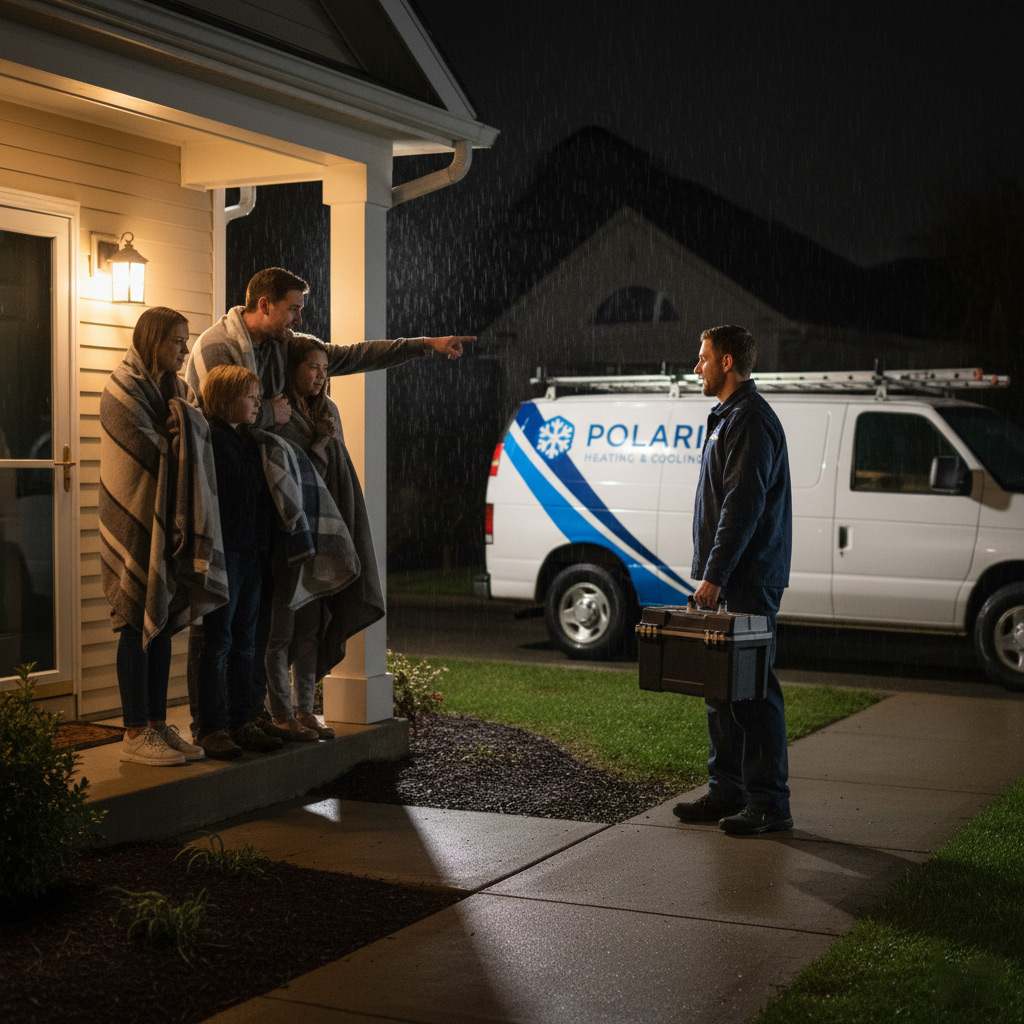
Ever walked into your home and felt a stale, invisible weight in the air, even though the windows are cracked open? Most Corona families think they’re breathing clean mountain breezes, but the truth is a silent cocktail of dust, mold spores, and chemicals is probably hanging around your thermostat.
What most HVAC techs won’t tell you is that a quick snap‑test can expose problems that cost you health and money down the road. From hidden VOCs leaking from new paint to the sneaky rise of radon after a recent earthquake, the numbers don’t lie—your indoor air could be a ticking time bomb.
Ready to uncover the shortcuts pros use to spot trouble before it shows up on your bill? Keep reading and you’ll learn the exact steps to take control of the air you and your family actually inhale.
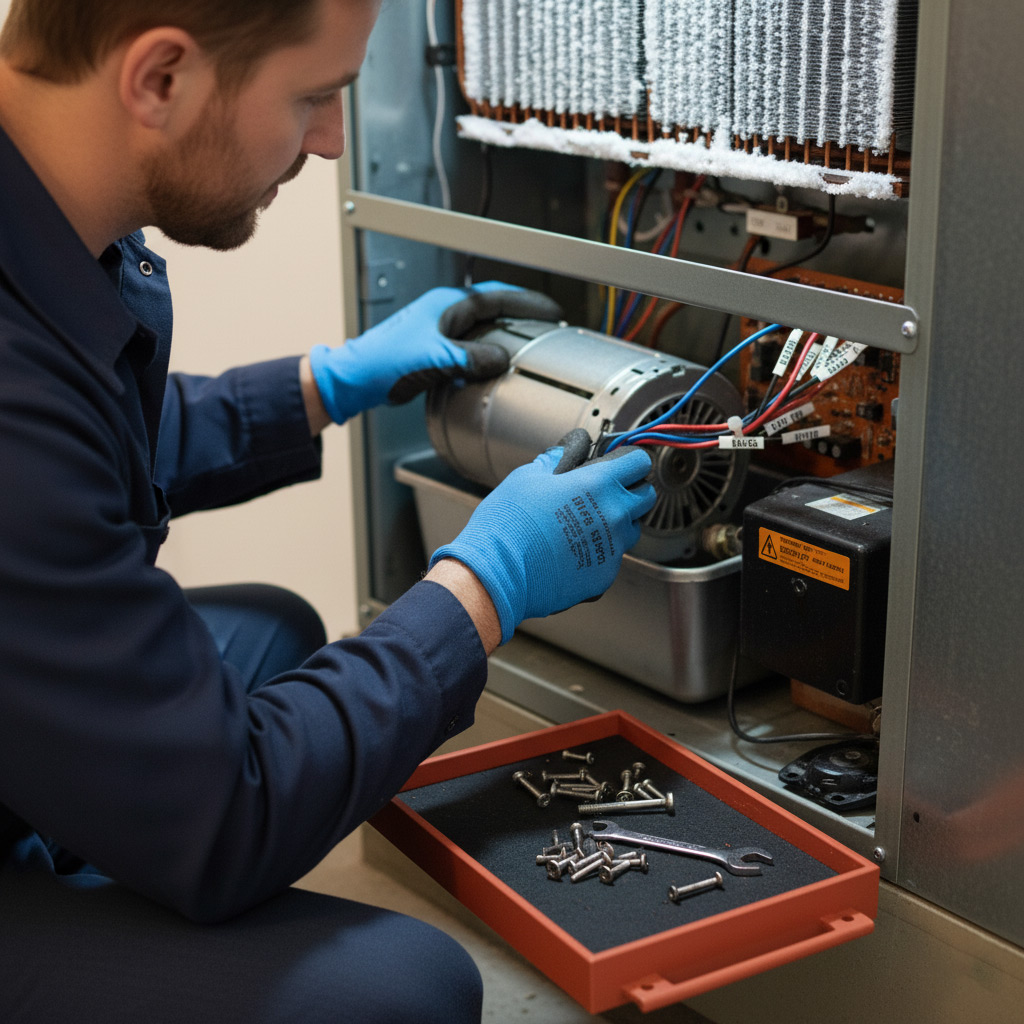
The Hidden Pollutants Lurking in Corona Homes
Even a brand‑new home can be a breeding ground for invisible irritants. Dust mites, pet dander, and microscopic mold spores settle on every surface, while off‑gassing from paint, carpet glue, and cleaning agents releases volatile organic compounds (VOCs) that linger for months.
Where the Sneaky Sources Hide
Most homeowners blame traffic or wildfires, but the real culprits often sit inside the walls. Leaky ducts, unfinished basements, and even the concrete slab can let radon seep upward after an earthquake, turning a safe‑looking house into a health risk.
- Radon: a colorless gas that builds up in low‑lying areas.
- Mold spores: thrive in damp corners, behind appliances, and in HVAC coils.
- VOCs: emitted from fresh paint, sealants, and even scented candles.
- Particulate matter: tiny particles from cooking, smoking, or outdoor dust that infiltrate through cracks.
Because these pollutants are invisible, they’re easy to ignore—until they start causing headaches, allergies, or worse. Knowing what’s hiding in your air is the first step to taking control.
Quick Snap‑Test Tools: What Every Homeowner Should Know
When you pull a snap‑test kit off the shelf, you’re not just buying a plastic tube—you’re getting a fast‑track ticket to the truth about your indoor air. The best kits give you a color‑coded readout in under ten minutes, so you can spot trouble before it becomes a health bill.
Types of Snap‑Test Kits
There are three main players you’ll see at local hardware stores or online:
- VOC detection strips – change hue when chemicals like formaldehyde or benzene are present.
- Radon charcoal canisters – absorb radon gas over 48‑hour periods, then you send them to a lab.
- Mold spore petri dishes – expose a nutrient surface for 24‑48 hours, then compare colony growth to a chart.
Each kit is designed for a specific enemy, so don’t try to use a mold dish to catch radon. Pick the right tool, follow the timing, and you’ll have reliable data without hiring a pro.
Choosing the Right Kit for a Corona Home
Corona’s climate swings from dry summer heat to damp winter nights, which means you need a kit that handles both extremes. Look for these features:
- Clear, photo‑ready instructions – you’ll avoid guesswork.
- Temperature tolerance range – most kits work between 40°F and 95°F.
- Lab‑verified results – especially for radon, where a certified lab reads the canister.
Grab a kit, snap it into place, and you’ll have the first line of defense against invisible pollutants. The sooner you test, the sooner you can act.
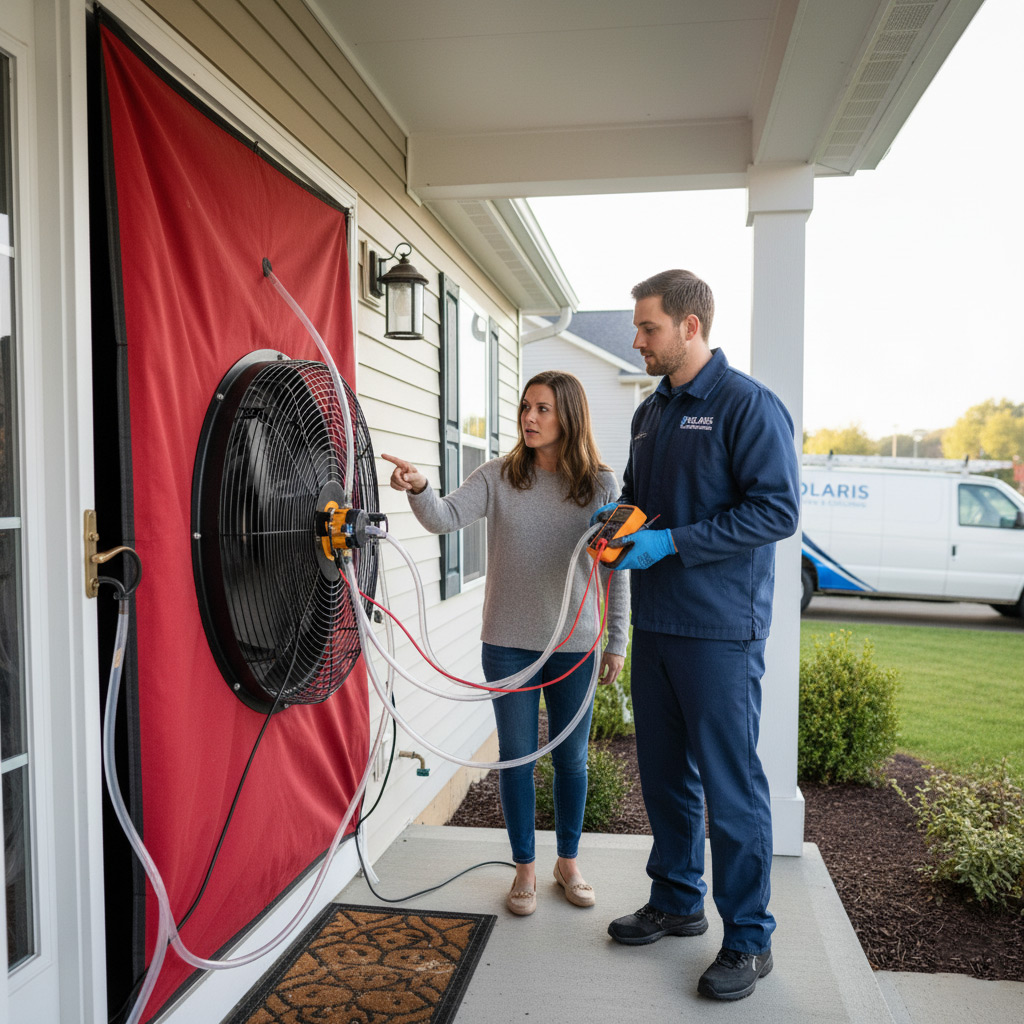
Detecting VOCs, Mold Spores, and Radon – Step‑by‑Step Procedures
VOCs: The Quick Sniff Test
First, grab a low‑cost VOC detector from any home‑improvement aisle. Turn it on and hold it near fresh paint, new carpet, or any recent renovation spot.
- Wait 30 seconds for the sensor to stabilize.
- Read the digital readout. Anything above 300 ppb flags a problem.
- Note the location, then ventilate the area for at least 15 minutes.
Mold Spores: The Tape‑Lift Method
Next, you’ll need clear packing tape and a microscope slide (or a cheap petri dish). Press the tape onto suspect surfaces like bathroom walls or attic beams.
- Peel the tape off and stick it to the slide.
- Place the slide under a magnifier or a DIY microscope.
- If you see a fuzzy network of spores, you’ve got a mold hotspot.
Radon: The Charcoal Canister Trick
Radon shows up after an earthquake or when your foundation shifts. Grab a charcoal canister kit from a hardware store and follow the label.
- Seal the canister in the lowest lived‑in level of your home.
- Leave it for 48 hours—no HVAC, no fans.
- Send the canister to the lab. Anything over 4 pCi/L means you need a mitigation system.
Decoding Your Test Results: Health Implications and Action Thresholds
What the Numbers Really Mean
When your meter flashes 400 ppb for radon, that’s not a typo—it’s a red flag. EPA’s safe limit sits at 4 pCi/L, so anything above that nudges you toward a mitigation plan.
For VOCs, look for readings under 500 µg/m³. Anything higher can irritate eyes, trigger headaches, and over time, mess with your nervous system. Don’t ignore a spike; it’s a symptom, not a mystery.
When to Take Action
Not every bump needs a full‑blown overhaul. Use these thresholds as your decision‑making cheat sheet:
- Radon ≥ 4 pCi/L – Call a certified radon mitigator within 30 days.
- Formaldehyde > 100 µg/m³ – Increase ventilation, replace low‑VOC finishes, re‑test in a week.
- Mold spore count > 10,000 cfu/m³ – Inspect hidden wet spots, run a dehumidifier, retest after drying.
When you hit a threshold, act fast. The longer you wait, the more your family pays in health bills and comfort loss.
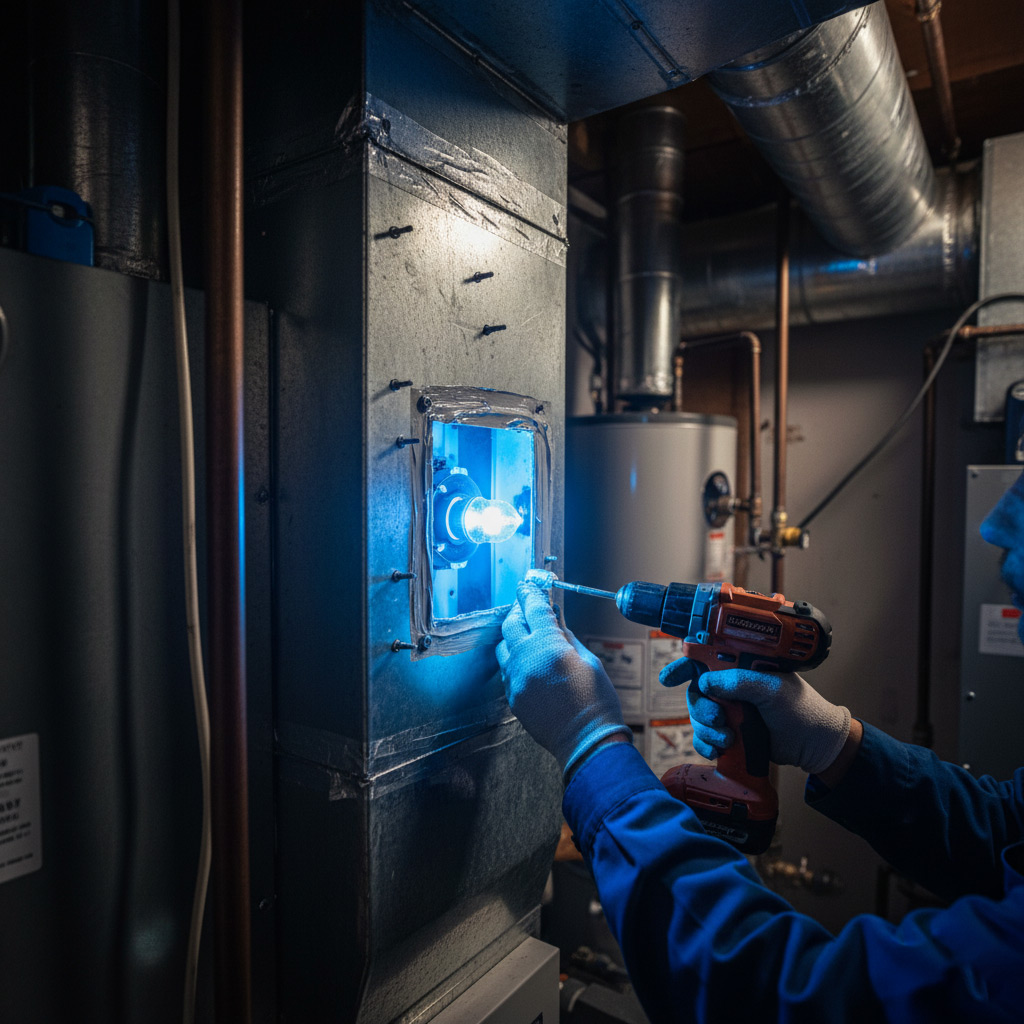
HVAC Strategies to Eliminate and Prevent Indoor Air Contaminants
First off, upgrade your filter. A MERV 13 or higher filter traps pollen, pet dander, and even fine PM2.5 particles that slip through standard filters. Pair it with a UV‑C lamp inside the coil, and you’ll zap mold spores and bacteria before they get a chance to multiply.
Boost Fresh Air Without Losing Comfort
Bring in outside air the smart way. An Energy‑Recovery Ventilator (ERV) swaps stale indoor air for fresh outdoor air while keeping temperature and humidity in check. The result? Cleaner breath and a stable indoor climate.
- Install a dedicated outdoor air intake.
- Set the ERV to run continuously at low speed.
- Balance the system so you don’t over‑pressurize the house.
Seal, Service, and Stay Ahead
Leaky ducts are a silent culprit. Seal every joint with mastic or UL‑listed tape, and you’ll stop contaminants from hitching a ride through the system. Schedule a professional coil cleaning twice a year; it removes dust buildup that can become a breeding ground for microbes.
- Check and replace worn fan belts.
- Calibrate humidity controls to stay between 30‑50%.
- Run a quick “smell test” after each service visit.
Case Study: Restoring Safe Air Quality for a Corona Family After an Earthquake
The Aftermath
When the 6.2‑magnitude quake rattled Corona last spring, the Martinez family noticed a musty smell and a sudden spike in their allergy meds. Quick visual checks revealed cracked foundation walls and a damp basement that had never been a problem before.
Our first visit uncovered three red‑flag pollutants:
- Elevated radon levels – 8.2 pCi/L, well above the EPA’s 4.0 pCi/L recommendation.
- Hidden mold colonies on the new drywall – visible only under UV light.
- Volatile organic compounds (VOCs) leaking from freshly painted cabinets.
The Intervention
We deployed a portable radon mitigation system and sealed every foundation crack with epoxy. The HVAC technician installed a high‑efficiency MERV‑13 filter and a UV‑light coil to kill spores on the fly.
Additional actions included:
- Running a 48‑hour continuous VOC monitor to pinpoint the source.
- Adding a dedicated dehumidifier in the basement to keep humidity below 50%.
- Re‑programming the thermostat for a 30‑minute “air‑clean” cycle each night.
The Outcome
Two weeks later, radon dropped to 2.1 pCi/L, mold spore counts fell by 92%, and VOC readings were back in the safe zone. The Martinez kids stopped coughing during soccer practice, and the parents reported lower energy bills.
Key takeaways for any Corona homeowner:
- Even a minor quake can open hidden pathways for contaminants.
- Fast, targeted testing saves money and health.
- Integrating HVAC upgrades with structural repairs locks in long‑term air quality.
Final Words
Don’t wait for a cough to tell you the air is bad. Schedule a professional test at least once a year, or after any event that shakes up your home—like an earthquake or a big renovation.
Three quick actions you can take today
- Swap out old HVAC filters for a HEPA‑rated model.
- Run a snap‑test kit for VOCs in the room where you spend the most time.
- Check your radon detector after any structural changes.
When you combine these habits with a reliable Air Quality Testing partner, you’ll keep the invisible threats at bay and protect your family’s health without breaking the bank.
People Also Ask
What are the most common hidden indoor pollutants in Corona homes?
The top hidden pollutants include volatile organic compounds (VOCs) from paints and cleaning products, mold spores from humidity, and radon seeping from the ground. These contaminants often go unnoticed without proper testing.How can I quickly test my home’s air quality without hiring a professional?
Homeowners can use snap‑test kits for radon, mold, and VOCs, which provide results in minutes to a few hours. Look for EPA‑approved kits and follow the instructions carefully for accurate readings.What do the results of an indoor air quality test actually mean for my health?
Results are compared to EPA and California health thresholds; values above these limits indicate a need for remediation. Prolonged exposure to high levels can trigger respiratory issues, allergies, or long‑term health risks.Which HVAC upgrades are most effective at removing indoor contaminants?
Installing high‑efficiency particulate air (HEPA) filters, UV‑light air purifiers, and a whole‑home ventilation system with energy recovery can dramatically reduce VOCs, mold spores, and radon particles. Regular maintenance ensures optimal performance.Can an earthquake increase indoor air quality problems in Corona?
Yes, seismic activity can crack foundations and damage ductwork, allowing radon and mold to infiltrate homes. Prompt inspection and air quality testing after an earthquake are essential to restore safe indoor air.
Corona HVAC has served the Corona community for over 15 years, delivering reliable heating and cooling solutions. Their certified technicians combine industry expertise with a commitment to energy efficiency, ensuring comfort for homes and businesses throughout the area.
Need HVAC?
We provide fast HVAC repair and installation in Corona, CA and nearby ZIPs (92879, 92880, 92882, 92501, 92503). Our focus is on restoring comfortable indoor temperatures quickly and reliably.
Get HVAC Quote